
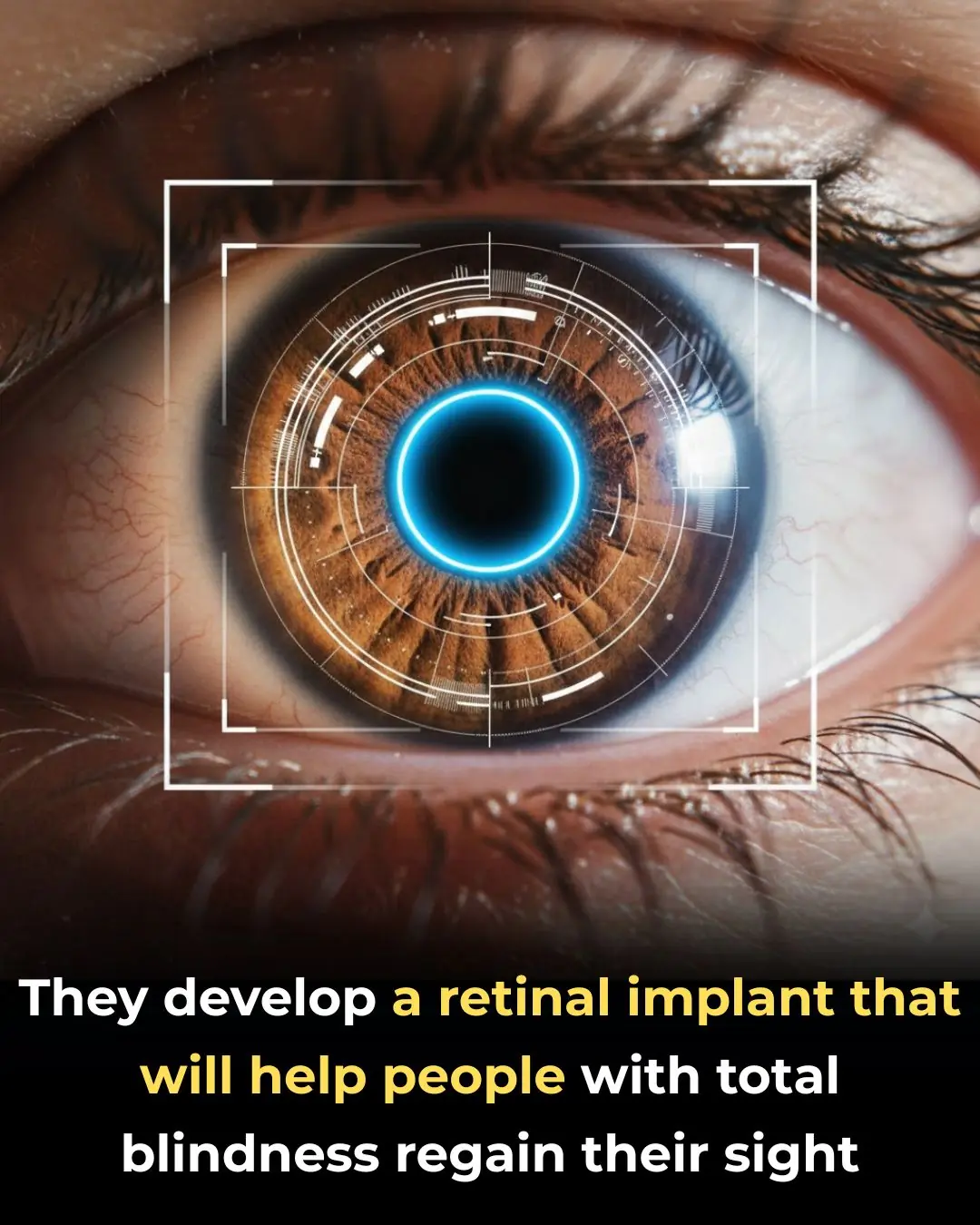
Curing blindness remains one of the top priorities in both science and medicine—and encouraging progress is already being made. A team of biomedical engineers in France is currently developing an innovative retinal implant designed to restore vision in patients suffering from macular degeneration, a leading cause of vision loss worldwide.
At the forefront of this breakthrough is a multidisciplinary research effort that combines biomedical engineering, tissue engineering, and regenerative medicine. The project aims to create an artificial retinal tissue capable of replacing damaged areas of the eye and restoring visual function. This development offers renewed hope to millions of people affected by macular degeneration, particularly as the disease becomes increasingly prevalent with aging populations.
Retinal Implants: A Medical Breakthrough Moving Closer to Reality
The research is being led by biomedical engineer Teresa Simón-Yarza at the French National Institute of Health and Medical Research (INSERM). According to Simón-Yarza, tissue engineering plays a crucial role in this work, as it applies advanced laboratory techniques to fabricate artificial tissues that can be implanted into the human body or used as biological models.
“In biomedical engineering, tissue engineering focuses on creating artificial tissues in the laboratory that can later be implanted or studied. In our case, we are developing a tissue that closely mimics the retina affected by macular degeneration,” explains Simón-Yarza.
Macular degeneration primarily damages a specific part of the retina composed of epithelial cells arranged in an extremely thin layer. This layer is separated by a specialized material from another region containing a complex network of veins and arteries responsible for nourishing retinal cells. Damage to this delicate structure leads to progressive and often irreversible vision loss.

