
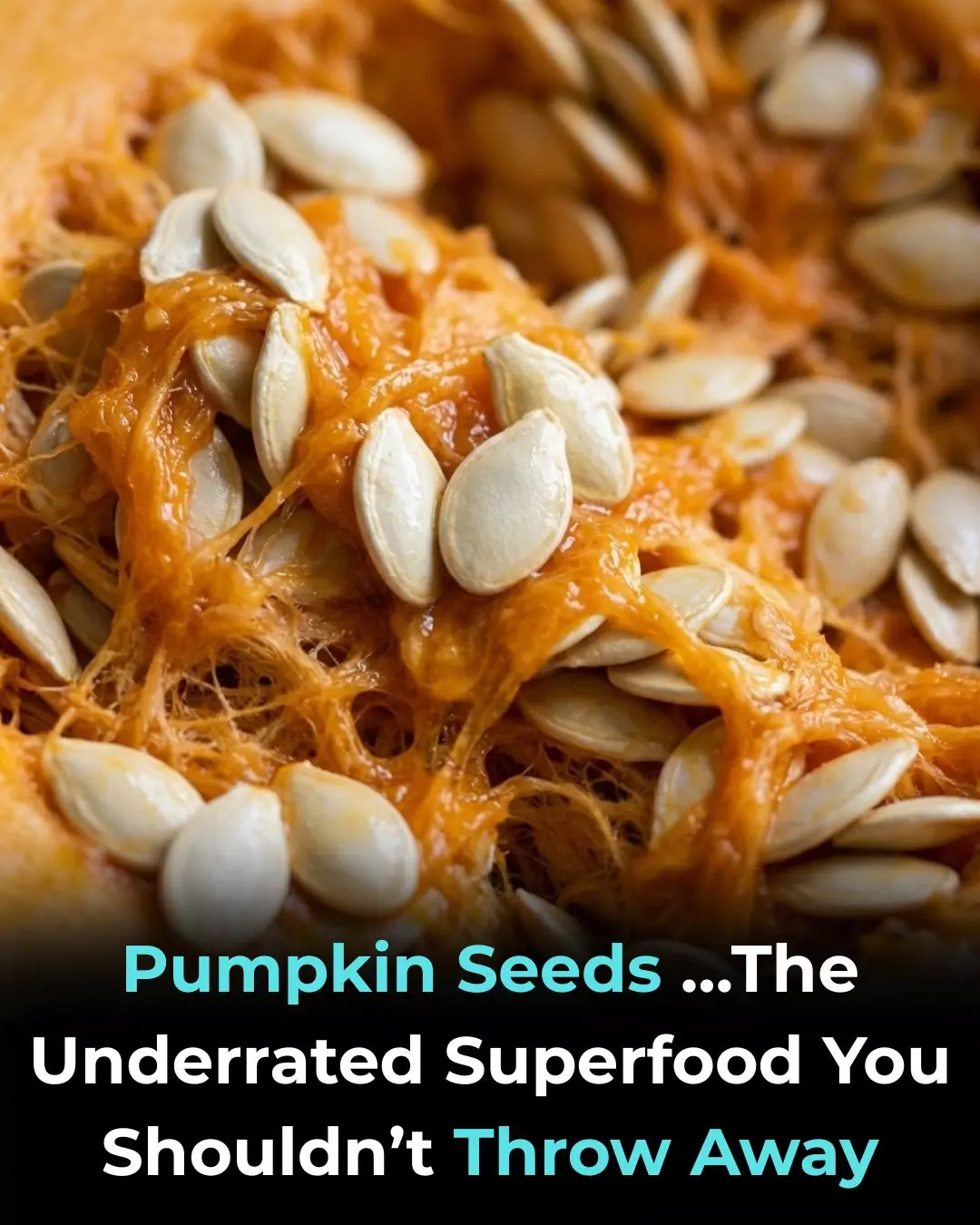
Pumpkin seeds are often scooped out and discarded while the bright orange flesh gets all the attention. Yet inside every pumpkin lies a dense source of nutrients that can support heart health, blood sugar balance, sleep quality, and more. While pumpkins dominate fall decorations and seasonal recipes, their seeds deserve a place in your kitchen all year long.
Here’s a closer look at why these small seeds have earned both traditional respect and modern scientific interest.
A Brief History of Pumpkin Seeds
Pumpkins (Cucurbita maxima and related species) originated in North America. Archaeological findings show pumpkin seeds in regions of Mexico dating back to around 7000 B.C.
Indigenous North American tribes used pumpkin seeds to support digestion and treat intestinal parasites. The Aztecs valued them as both food and ceremonial offerings. Across many cultures, pumpkin seeds were appreciated not only for their rich, nutty flavor but also for their perceived healing properties.
Modern research now supports many of these traditional uses, highlighting the seeds’ unique nutrient composition.
Why Pumpkin Seeds Are So Nutrient-Dense
Pumpkin seeds contain an impressive combination of macronutrients and bioactive compounds, including:
High-quality plant protein
Unsaturated fatty acids (including omega-6 fats)
Phytosterols
Phenolic compounds
Tocopherols (vitamin E)
Cucurbitacins
Magnesium, zinc, potassium, and iron
They are particularly rich in magnesium and zinc — two minerals that play critical roles in metabolic, immune, and reproductive health.
Because of this nutrient density, pumpkin seeds are often classified as a functional food — meaning they provide health benefits beyond basic nutrition.
7 Evidence-Based Health Benefits of Pumpkin Seeds
1. Powerful Antioxidant Support
Pumpkin seeds are rich in vitamin E and phenolic compounds that help neutralize free radicals. Reducing oxidative stress is important because it contributes to aging and chronic conditions such as heart disease and metabolic disorders.
Antioxidant activity also supports immune resilience and cellular protection.
2. Heart Health Support
