
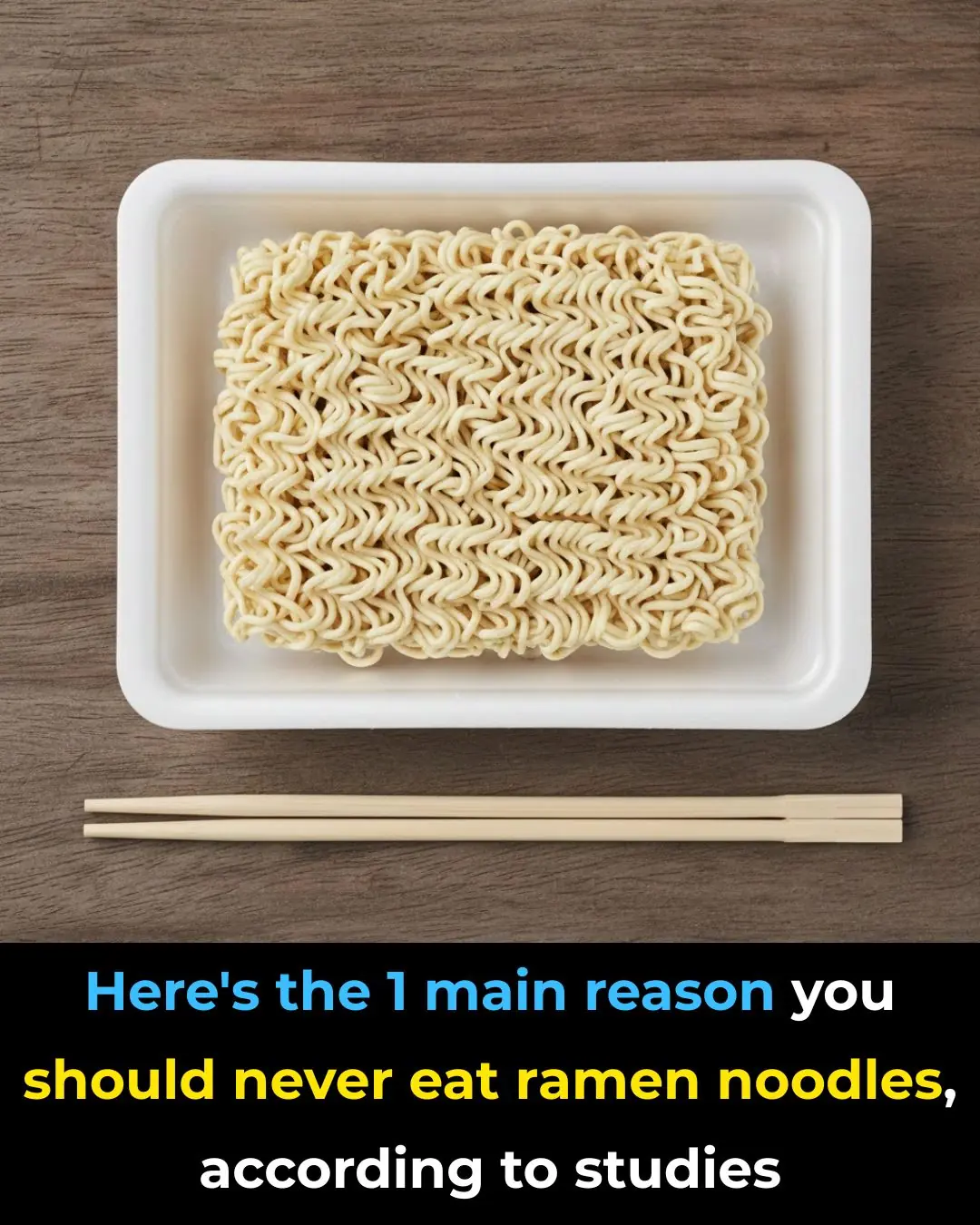
Instant ramen may be cheap, convenient, and comforting—but making it a regular part of your diet can seriously harm your long-term health. The biggest issue? It’s overloaded with sodium and ultra-processed ingredients that gradually damage your metabolism, cardiovascular system, and digestive health.
Let’s break down exactly why frequent ramen consumption is a problem.
1. Excessive Sodium: A Hidden Threat to Your Heart 🍜🧂
A single packet of instant ramen typically contains 1,500–2,000 mg of sodium—that’s about 70–90% of the recommended daily limit in just one meal.
Why this is dangerous:
Raises blood pressure
Increases the risk of heart disease and stroke
Forces your kidneys to work overtime, potentially leading to kidney damage
Causes water retention and bloating
Triggers headaches and fatigue
Contributes to long-term cardiovascular strain
Eating ramen just 2–3 times per week can push your body into chronic sodium overload. Over time, this silent stress on your heart and kidneys can significantly increase the risk of serious disease—even if you feel “fine” in the short term.
2. Ultra-Processed Ingredients Disrupt Digestion
Instant ramen isn’t “real food” in the traditional sense. It’s considered ultra-processed, meaning it contains industrial ingredients rarely used in home cooking, such as:
Preservatives
Artificial flavor enhancers (like MSG)
Refined palm oil
Synthetic colorings
Stabilizers and emulsifiers
Research shows that ultra-processed foods:
Slow down digestion
Increase inflammation in the gut
Impair nutrient absorption
Disrupt the balance of healthy gut bacteria
May contribute to long-term digestive disorders
In one study, instant noodles remained undigested in the stomach for hours longer than fresh noodles, indicating that the body struggles to break them down efficiently. Over time, regularly eating these foods may negatively affect your gut health and immune function.
