
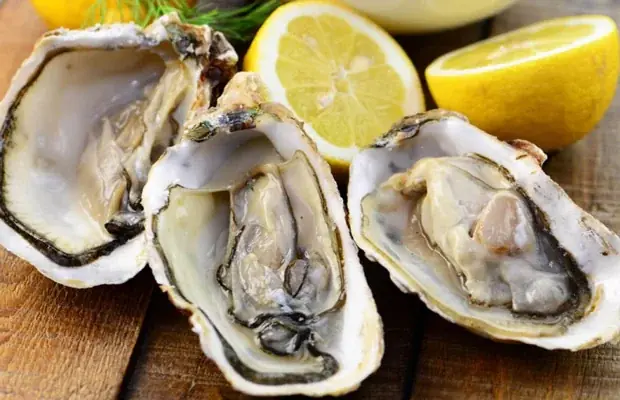
Oysters Are Nutritious, But 6 Groups of People Should Avoid Eating Them
Oysters are widely known as one of the most nutrient-rich seafood options. They are packed with important nutrients such as protein, zinc, iron, vitamin B12, and omega-3 fatty acids. Because of this impressive nutritional profile, oysters are often considered a healthy food that can support immunity, brain function, and overall well-being.
However, despite their benefits, oysters may not be suitable for everyone. Like many types of seafood, oysters can carry certain risks for specific individuals, particularly if consumed raw or in large amounts. Health experts often recommend that some groups of people be cautious or avoid eating oysters altogether.
Understanding who should limit or avoid oysters can help individuals make safer dietary choices.
1. People with Shellfish Allergies
One of the most important groups that should avoid oysters is individuals with shellfish allergies. Shellfish allergies are among the most common food allergies and can cause serious reactions.
Even a small amount of oyster can trigger symptoms such as itching, swelling, digestive discomfort, or breathing difficulty in sensitive individuals. In severe cases, allergic reactions can become life-threatening.
People who know they are allergic to shellfish should avoid oysters and other similar seafood products completely.
2. Pregnant Women
Pregnant women are often advised to be cautious about certain seafood, particularly raw or undercooked oysters. Raw oysters can sometimes contain harmful bacteria such as Vibrio, which may lead to foodborne illness.
During pregnancy, the immune system undergoes changes, making women more vulnerable to infections that could affect both mother and baby.
For this reason, many health guidelines recommend that pregnant women avoid raw oysters and only consume seafood that has been thoroughly cooked.
3. People with Weakened Immune Systems
