
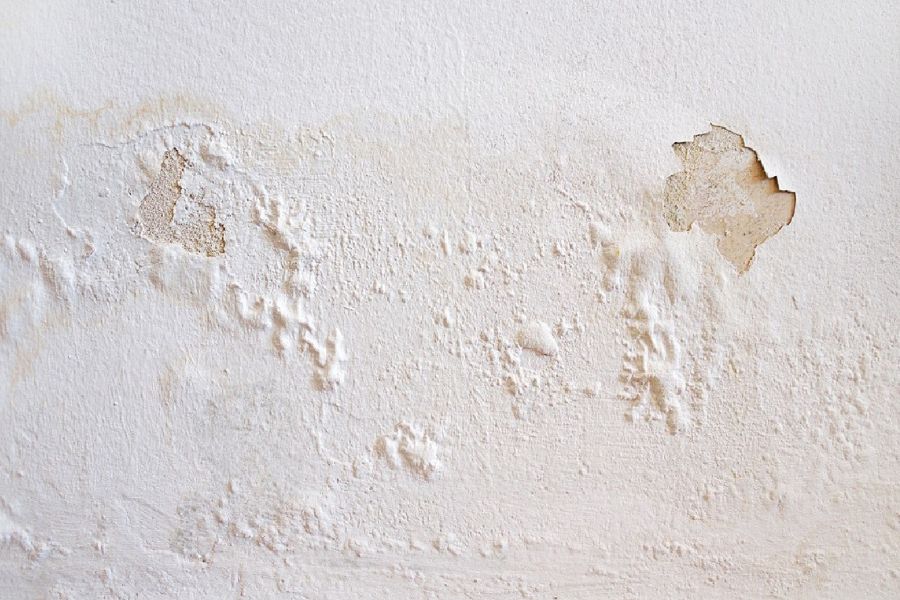
Wall peeling and mold stains are common problems in many homes, especially in areas with high humidity or poor ventilation. Over time, moisture can seep into walls, causing paint to bubble, crack, or peel away. In addition, damp environments often encourage mold growth, leaving dark stains that can make walls look dirty and unhealthy.
Many people believe that fixing these issues requires professional help or expensive repairs. However, in many cases, minor peeling and mold stains can be handled with simple tools and basic household materials. With a little time and patience, homeowners can restore their walls and prevent the problem from returning.
Understanding the causes of peeling paint and mold growth is the first step toward solving the issue effectively.
10 lý do kiến tường nhà bị bong tróc | Xây Dựng Thành Nguyễn
Why Walls Develop Peeling Paint and Mold
The main cause of peeling paint is moisture. When water enters the wall surface—through leaks, condensation, or high humidity—it weakens the bond between the paint and the wall underneath. As a result, the paint may bubble, crack, or eventually peel off.
Mold thrives in damp and poorly ventilated environments. Bathrooms, kitchens, laundry rooms, and walls near windows are especially vulnerable because these areas often experience higher humidity levels.
When mold spores land on a moist surface, they can grow quickly, creating dark spots that spread across the wall. If left untreated, mold can damage surfaces and create unpleasant odors.
Fortunately, small mold stains and peeling areas can often be treated before they become serious problems.
Step 1: Identify and Remove the Source of Moisture
Before repairing the wall, it is important to address the underlying cause of the moisture. If the moisture problem continues, the peeling and mold will eventually return.
Check for possible sources such as leaking pipes, roof leaks, or condensation around windows. Improving ventilation by opening windows or using exhaust fans can also help reduce humidity levels indoors.
In humid climates, using a dehumidifier may help keep indoor air dry and prevent mold growth.
