
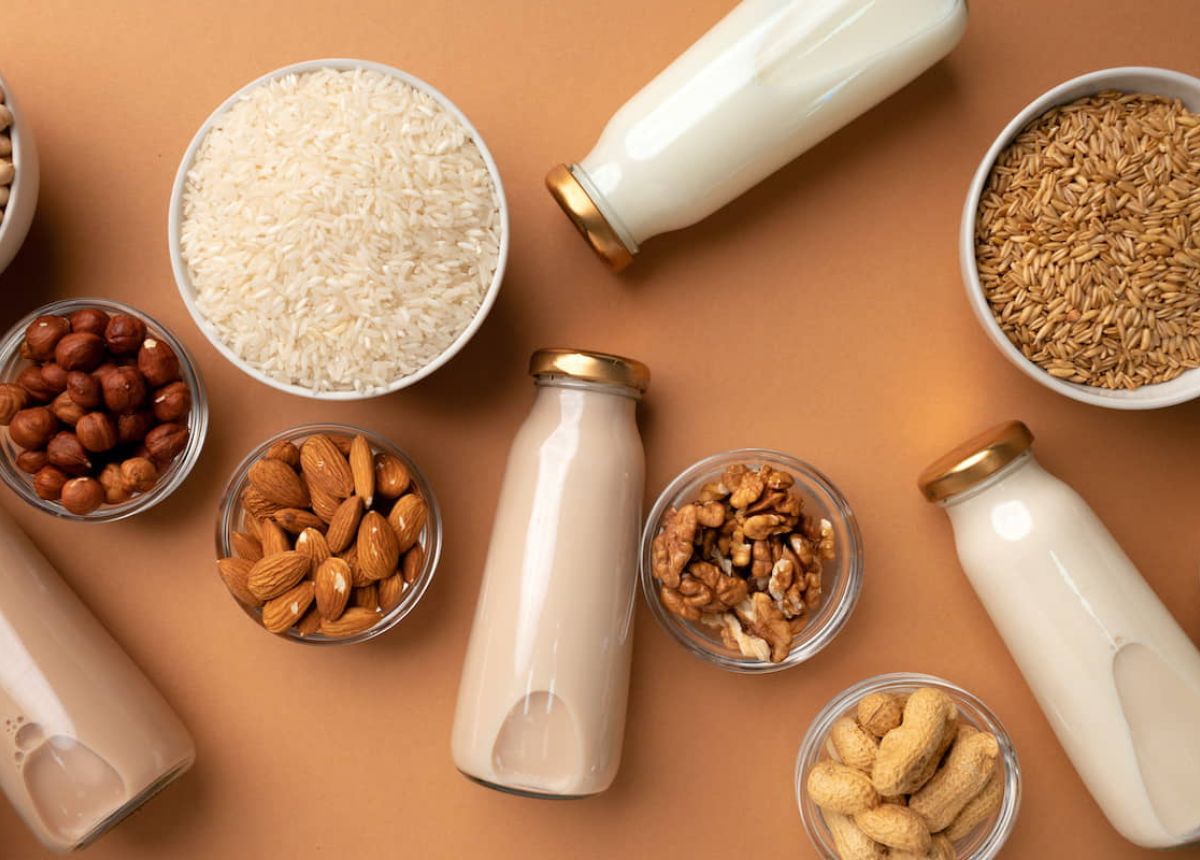
1. People With Nut Allergies
One of the most important groups who should avoid nut milk is individuals with nut allergies. Tree nut allergies are among the most common food allergies and can cause reactions ranging from mild symptoms to severe allergic responses.
Because nut milk is made directly from nuts such as almonds, cashews, or hazelnuts, it contains the proteins responsible for allergic reactions. Even small amounts can trigger symptoms in sensitive individuals.
Symptoms of nut allergies may include itching, swelling, digestive discomfort, breathing difficulty, or more serious reactions in severe cases. For people with known nut allergies, it is safest to avoid nut-based beverages entirely and consider alternatives such as oat milk, rice milk, or soy milk.
2. Infants and Young Children
Nut milk is sometimes mistaken as a suitable replacement for breast milk, infant formula, or even cow’s milk for young children. However, most nut milks do not provide the same nutritional balance needed for healthy growth and development.
Many commercial nut milks are relatively low in protein and may not contain enough essential nutrients such as fats, calcium, and vitamins that children require during early development.
For infants and toddlers, pediatricians usually recommend breast milk, infant formula, or specially fortified milk products designed for children. Parents should consult healthcare professionals before introducing plant-based milk alternatives into a young child’s diet.
Sữa hạt – Xu hướng dinh dưỡng lành mạnh cho cả gia đình | Báo điện tử Tiền Phong
3. People Who Need Higher Protein Intake
Compared to cow’s milk or soy milk, many nut milks contain relatively low amounts of protein. Almond milk, for example, often provides only about one gram of protein per serving, whereas cow’s milk contains significantly more.
Individuals who require higher protein intake—such as athletes, people recovering from illness, or older adults maintaining muscle mass—may need to ensure they are getting adequate protein from other sources if they rely on nut milk.
If someone uses nut milk as their primary milk substitute, they should balance their diet with protein-rich foods such as legumes, tofu, eggs, fish, or lean meats.
4. People Monitoring Added Sugars
Some commercial nut milks contain added sugars or flavorings to improve taste. Sweetened varieties may include significant amounts of sugar, which can contribute to excess calorie intake.
Individuals who are monitoring their sugar consumption—such as those with diabetes or people trying to manage weight—should carefully read nutrition labels when purchasing nut milk.
Choosing unsweetened versions of nut milk is often a better option for maintaining balanced blood sugar levels and reducing unnecessary sugar intake.
Xu thế dùng SỮA HẠT: Vì sao lại ‘bùng nổ’ toàn cầu? | Faminuts House
