
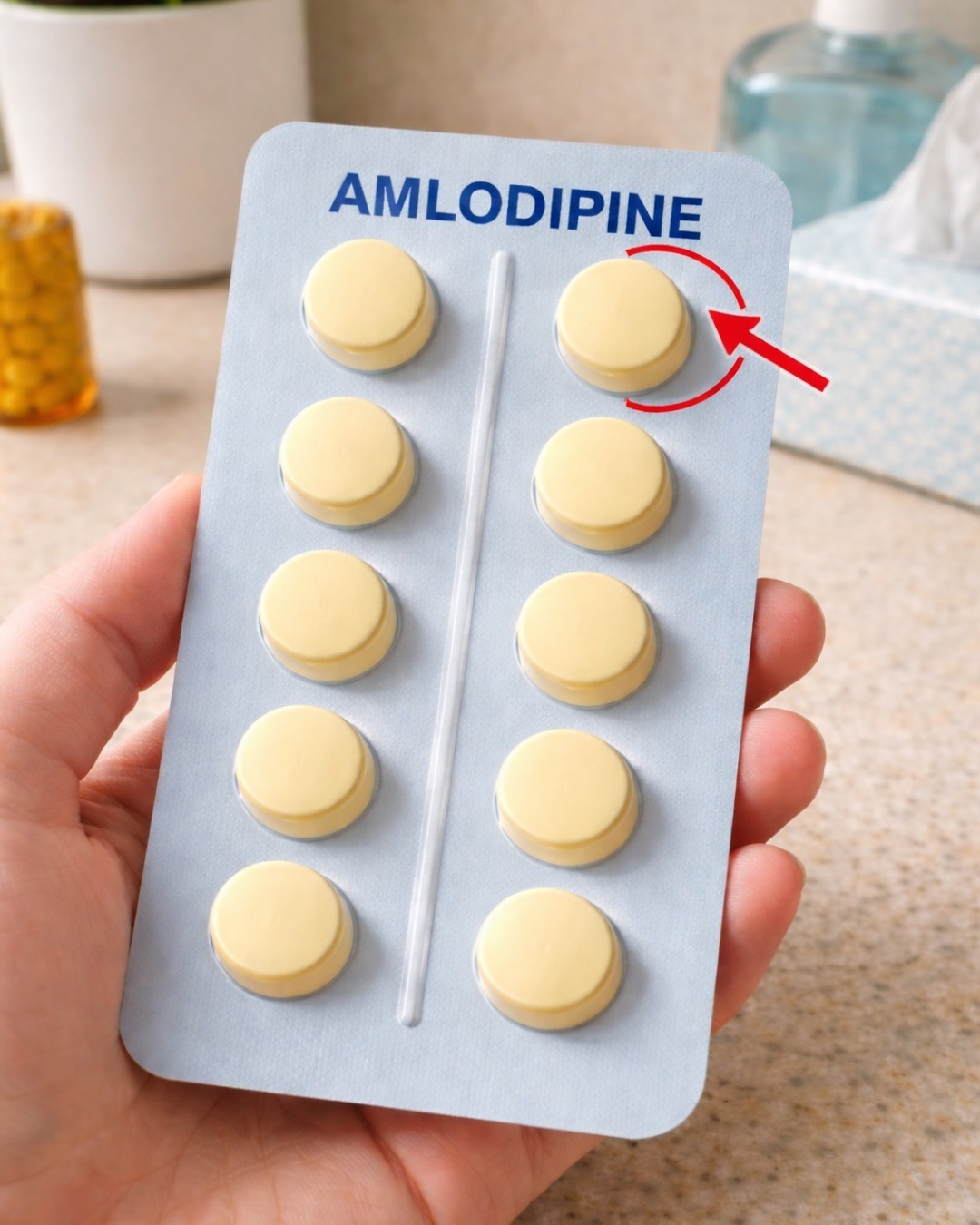
If you’re one of the millions taking amlodipine to help manage blood pressure or support heart health, you probably expect the medication to do its job smoothly. Yet many people still deal with frustrating side effects like swollen ankles, unexpected dizziness, or headaches that just won’t quit. What if some of your everyday routines are quietly working against the medicine, either dialing up those uncomfortable feelings or making it harder for your body to stay in balance? The truth is, certain common habits can either reduce how well amlodipine works or amplify its side effects in ways you might not even notice at first.
But here’s the encouraging part: small, realistic changes can make a noticeable difference in how you feel day to day. And in this guide, I’ll walk you through eight habits worth dropping right now—backed by what health experts from the NHS and Mayo Clinic have observed in real patient experiences. Stick with me until the end, because habit number five might be the one that’s quietly sabotaging more people than you think.

Why These Habits Matter More Than You Realize
Amlodipine is a calcium channel blocker that relaxes blood vessels to keep pressure in check. But your daily choices around food, drinks, movement, and even supplements can influence how the drug gets processed in your liver or how your body responds overall. Research and clinical guidance show that certain patterns can either speed up or slow down the medication’s effects, leading to uneven blood pressure control or more pronounced side effects. The good news? You don’t need drastic overhauls—just consistent, thoughtful swaps.
1. Regularly Eating or Drinking Grapefruit Products
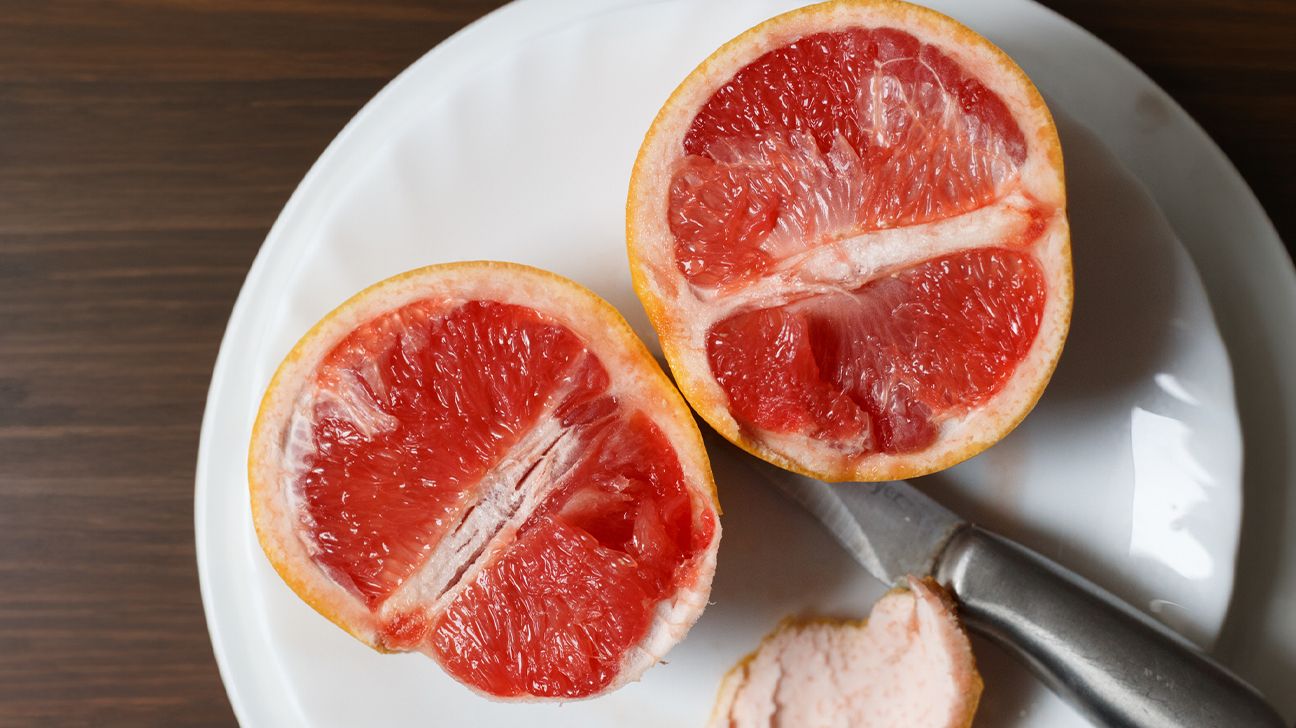
Grapefruit and its juice contain compounds that slow down the enzyme responsible for breaking down amlodipine in your body. The result? Higher levels of the medication circulating longer than intended, which can intensify common side effects like flushing, dizziness, or leg swelling.
According to the NHS, even moderate amounts can make a difference for some people. But wait—here’s the surprising part: many folks enjoy their morning grapefruit without realizing it’s the hidden culprit behind extra discomfort.
What to do instead: Switch to oranges, apples, or berries for your daily fruit fix. If you love citrus, opt for lemon or lime in water. Track how you feel after a week without grapefruit—you might notice steadier energy and fewer side effects.
2. Drinking Alcohol on a Regular Basis

Alcohol itself doesn’t directly block amlodipine, but it can add to the blood-pressure-lowering effect and increase dizziness, lightheadedness, or headaches. Medical News Today notes that even moderate drinking can make side effects feel more noticeable, especially if you’re already sensitive to the medication.
The reality is that many adults unwind with a glass of wine or beer after a long day—yet that habit can quietly tip the scales toward feeling off-balance.
What to do instead: Try limiting alcohol to special occasions or switching to sparkling water with a splash of fruit juice. Stay hydrated with plain water throughout the evening, and you’ll likely sleep better too.
3. Loading Up on High-Sodium Foods

A high-salt diet can counteract amlodipine’s ability to relax blood vessels, making it harder to keep your numbers in a healthy range. Mayo Clinic guidance on blood pressure management emphasizes that sodium-heavy meals (think processed snacks, fast food, or restaurant dishes) work against the very goal of the medication.
Here’s the thing: most people don’t even realize how much hidden salt they’re eating until they start paying attention.
What to do instead: Aim for under 2,300 mg of sodium daily by reading labels and cooking with herbs, garlic, or lemon instead of salt. Your taste buds will adjust within a couple of weeks, and you may notice steadier blood pressure readings.
4. Smoking or Using Nicotine Products
Smoking raises blood pressure and damages blood vessels, which directly opposes the relaxing effect amlodipine is trying to achieve. Over time, this habit can make it tougher for the medication to do its job effectively and increases overall heart strain.
The part most people overlook? Even occasional vaping or secondhand exposure can keep your system in a stressed state.
What to do instead: Talk to your doctor about quitting resources—nicotine replacement, counseling, or apps have helped countless people. Every smoke-free day gives your blood vessels a chance to recover and lets amlodipine work with you, not against you.
5. Frequently Reaching for NSAIDs Like Ibuprofen
For complete cooking times, go to the next page or click the Open button (>), and don’t forget to SHARE with your Facebook friends.
