
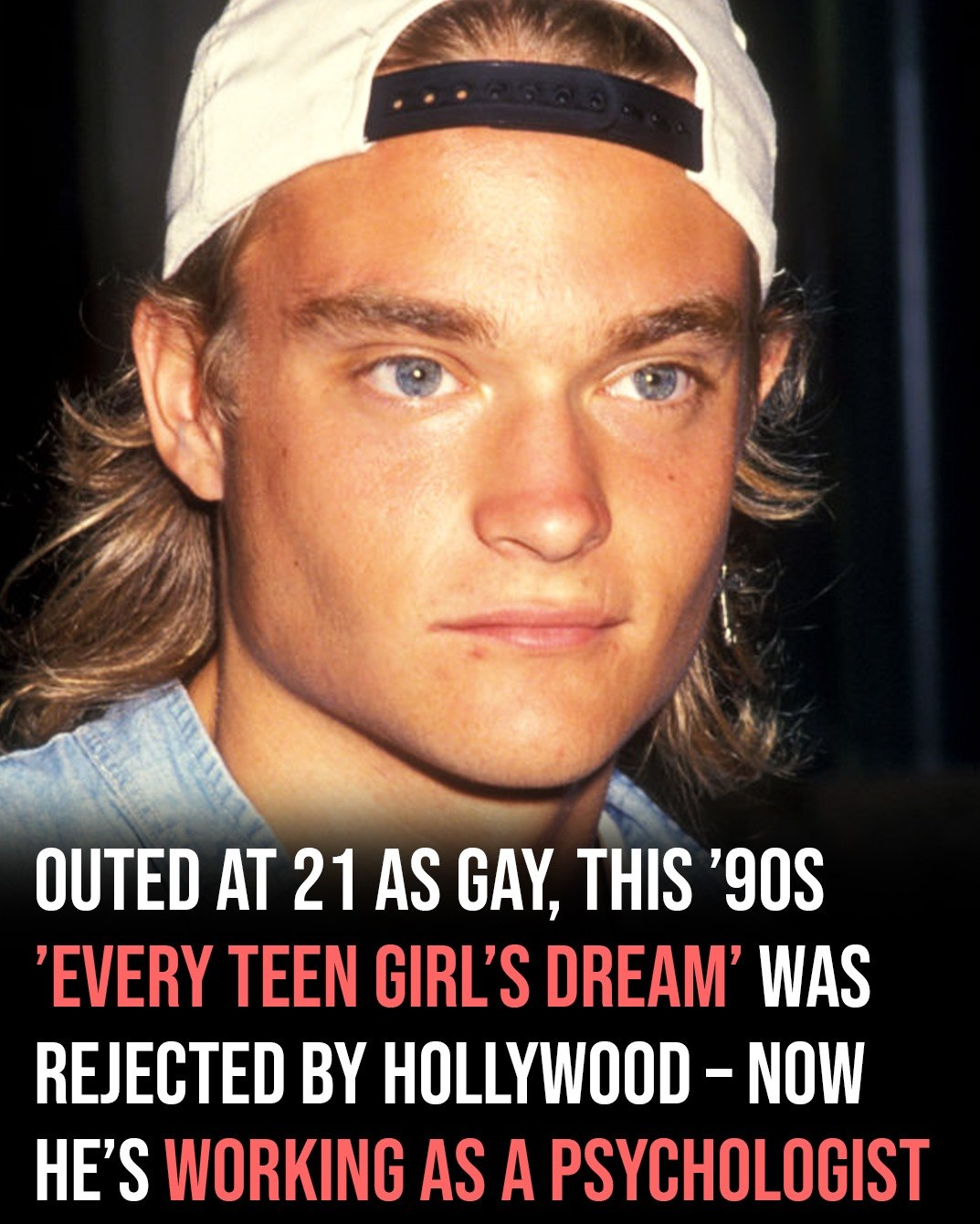
In the 1990s, teen magazines ruled the checkout aisle. Bedroom walls were covered in glossy posters. CD players blasted love songs on repeat. And for millions of teenage girls, one face stood out among them all — the floppy-haired heartthrob whose smile could melt through a television screen.
He was sensitive but cool. Charming but approachable. The boy next door with movie-star charisma. To many, he wasn’t just a celebrity — he was the dream.
But today, that former teen idol lives far from red carpets and screaming fans. He doesn’t headline blockbuster films or tour the world. Instead, he works quietly as a psychologist, dedicating his life to understanding the human mind and helping others heal.
It’s a transformation that feels almost poetic — and deeply human.
Let’s talk about what it means when a ’90s fantasy grows up… and chooses something entirely different.
The Golden Era of Teen Idols
The 1990s were a unique moment in pop culture history.
Before social media, fame was carefully curated. Stars were mysterious. Interviews were rare. Fan mail was handwritten. Every new magazine cover felt like an event.
Teen idols of that era weren’t just attractive — they represented possibility. They starred in romantic dramas, teen comedies, and music videos that defined adolescence. They embodied hope, romance, and emotional intensity.
For many girls, these celebrities were safe spaces for imagination. They symbolized:
First crushes
Late-night diary entries
School hallway daydreams
Emotional soundtracks to growing up
And at the center of it all was that one guy — the actor or singer who seemed to understand teenage emotion better than anyone else.
Fame at a Young Age: A Double-Edged Sword
What fans saw on screen was confidence, charisma, and chemistry.
What they didn’t see was the pressure.
Teen stardom in the ’90s often meant:
Grueling filming schedules
Constant media attention
Scrutiny over appearance
Limited privacy
Expectations to stay forever young
For many young stars, the transition from idol to adult was turbulent. Some struggled publicly. Others faded quietly. A few reinvented themselves entirely.
And in this case, reinvention came in the most unexpected form: psychology.
Choosing a Different Path
Imagine being adored by millions — and then choosing a profession rooted in listening quietly to one person at a time.
Becoming a psychologist is not a casual pivot. It requires:
Years of education
Clinical training
Emotional resilience
Deep empathy
It’s a profession built on understanding trauma, anxiety, relationships, identity, and growth.
For someone who once portrayed idealized romance and youthful intensity, the shift almost feels like an evolution. Perhaps living through fame at such a formative age gave him a front-row seat to the complexities of human behavior.
Perhaps he experienced the mental strain of celebrity firsthand.
Or maybe he simply realized that helping people behind closed doors felt more meaningful than performing for cameras.
