
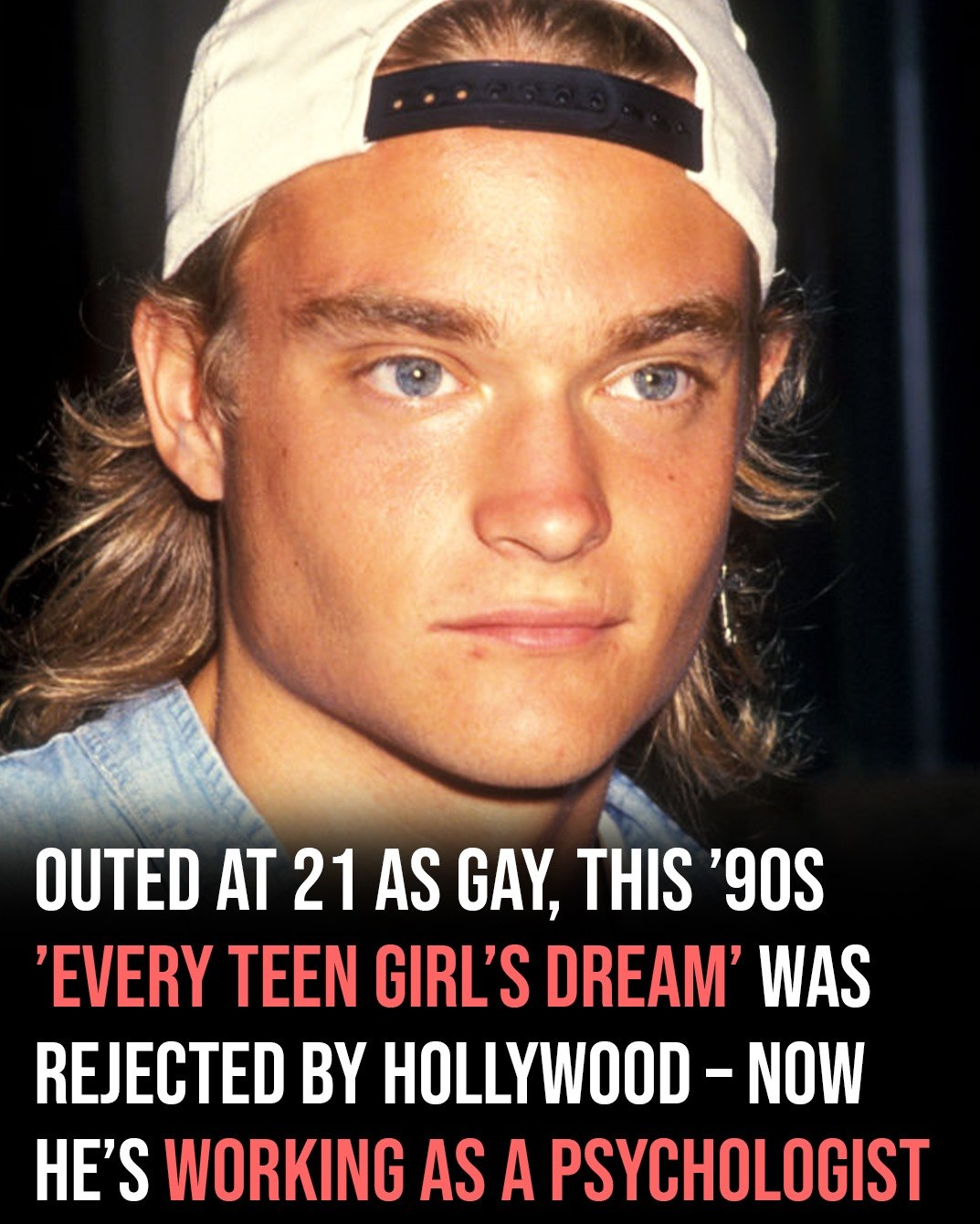
It takes courage to pursue something entirely different.
And it takes confidence to redefine success on your own terms.
Mental Health and the Entertainment Industry
Over the last decade, conversations around mental health have expanded dramatically.
We now understand more about:
Anxiety disorders
Depression
Burnout
Childhood trauma
The psychological effects of fame
Child stars and teen idols often face identity disruption. When your sense of self is tied to public validation during adolescence, stepping away can feel destabilizing.
Perhaps studying psychology offered him tools to make sense of that experience — not just for himself, but for others navigating similar struggles.
It’s possible that his personal journey informed his professional one.
And that makes the story even more compelling.
A Quieter Kind of Influence
Fame influences culture broadly.
Psychology influences lives individually.
One blockbuster film may reach millions. One therapy session may change a single life forever.
Both forms of impact matter.
But one is measurable in ticket sales. The other is measured in healing.
And healing rarely trends on social media.
Nostalgia vs. Reality
There’s always a hint of bittersweet emotion when former teen idols step away from the spotlight.
Fans sometimes feel:
Nostalgic
Protective
Curious
Surprised
But nostalgia often freezes people in time. It keeps them forever 19.
In reality, they age. They evolve. They shift priorities.
And maybe that’s the most relatable part of this story.
He didn’t disappear.
He just grew up.
What This Says About Success
Society often equates success with visibility.
More followers.
More press.
More recognition.
But true fulfillment doesn’t always align with public applause.
Success might look like:
Stability
Purpose
Helping others
Peace of mind
Emotional clarity
For someone who experienced global attention in adolescence, choosing privacy as an adult may be the ultimate form of self-knowledge.
The Fantasy That Became Human
In the ’90s, he was larger than life.
Now, he’s human.
And maybe that’s more powerful.
There’s something beautiful about realizing that the object of teenage fantasy is also capable of introspection, academic discipline, and compassion.
It makes the story feel grounded.
Real.
Complete.
Why We Love Stories Like This
Stories of reinvention remind us that we’re not trapped by earlier versions of ourselves.
If a teen heartthrob can become a psychologist, then:
A corporate executive can become an artist.
A musician can become a teacher.
A stay-at-home parent can become an entrepreneur.
Identity isn’t static.
It’s layered.
And growth doesn’t erase the past — it builds on it.
Final Thoughts: From Dream to Depth
He was once the embodiment of teenage longing.
Now, he dedicates his life to understanding longing itself.
That transformation says something profound about maturity.
The fantasy figure became someone who helps others untangle their own emotions.
The spotlight faded, but purpose remained.
And maybe that’s the real dream — not the poster on the wall, but the person who understands why we put it there in the first place.
In a world obsessed with constant visibility, choosing a quiet life can be revolutionary.
And perhaps that’s the most inspiring plot twist of all.
If you’d like, I can:
Rewrite this as a celebrity-specific feature (if you provide the name)
Turn it into a viral social media article
Or add nostalgic ’90s pop culture references for a stronger throwback vibe
