
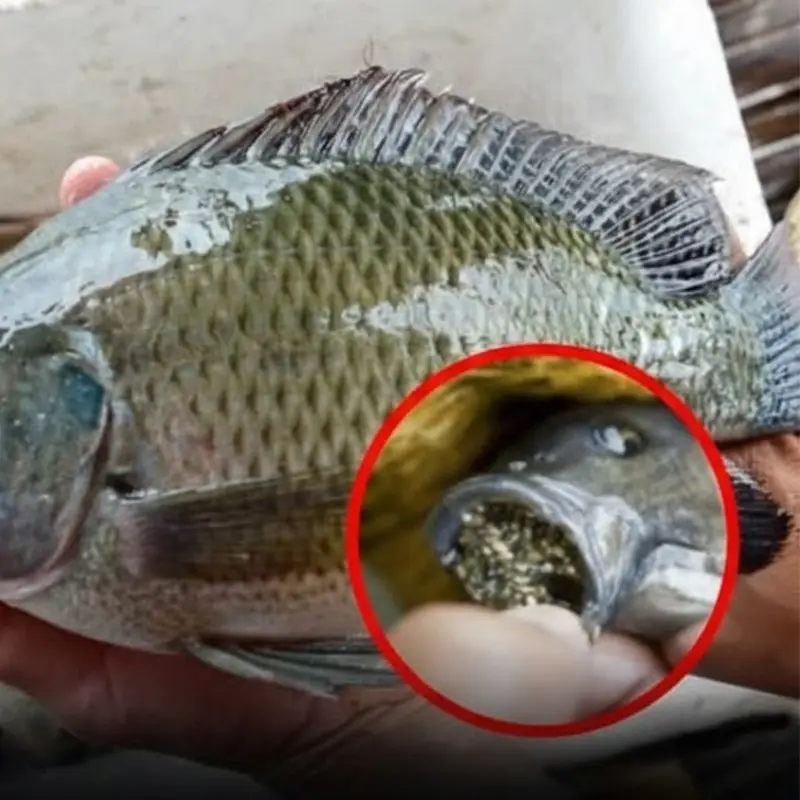
Tilapia has become one of the most popular fish choices across the globe. Affordable, easy to cook, and widely available, it often appears on dinner tables and restaurant menus. However, in recent years, concerns about its nutritional value, farming methods, and environmental impact have led many health-conscious consumers to question whether tilapia deserves a regular place in their diet.
While tilapia is not inherently harmful when sourced responsibly, understanding potential risks can help you make informed choices about how often you consume it and where it comes from.
1. Concerns About Farming Practices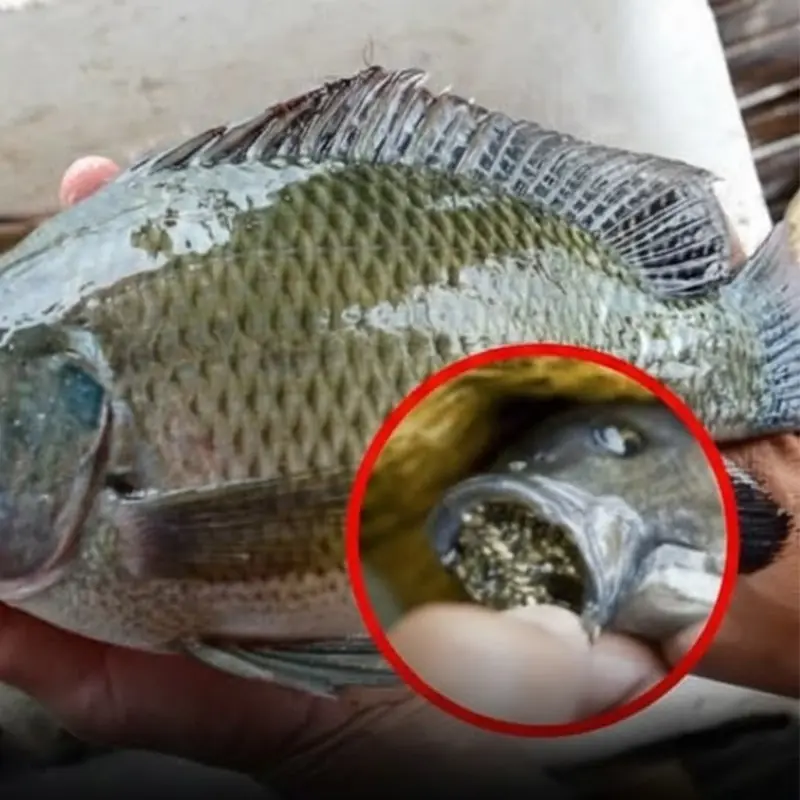
One of the biggest issues surrounding tilapia is how it is farmed. A large percentage of tilapia sold worldwide comes from intensive fish farms, where conditions can vary greatly depending on regulations and oversight.
In some regions, overcrowded farming environments may lead to poor water quality. This can increase the likelihood of disease among fish, sometimes requiring the use of antibiotics or chemicals to maintain production levels. Although regulations in many countries aim to control these practices, standards are not consistent globally.
Consumers who are concerned about food safety often look for responsibly farmed or certified tilapia to reduce potential risks associated with questionable farming conditions.
