
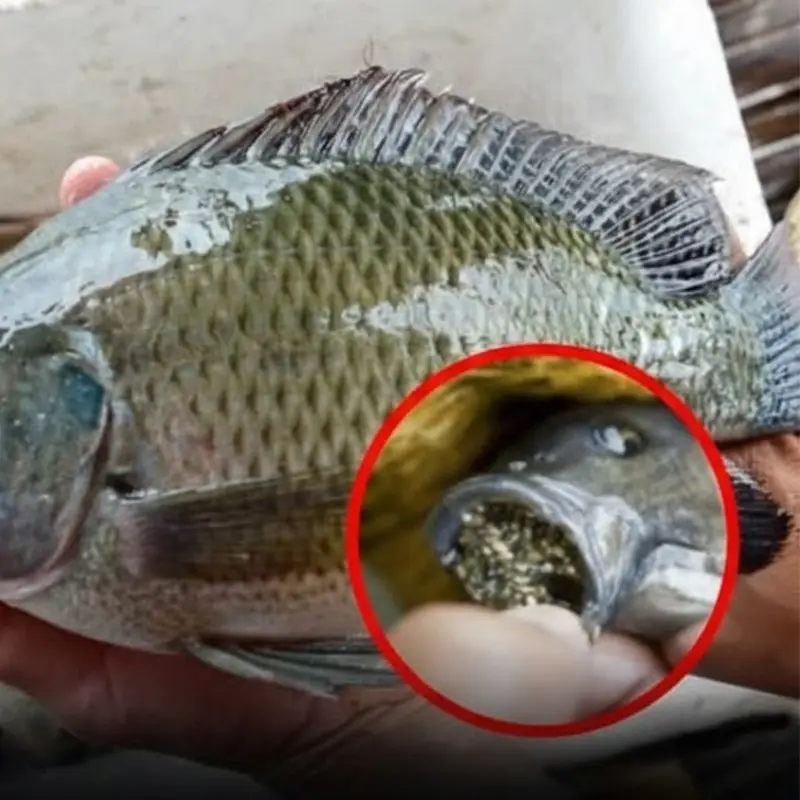
Choosing tilapia from certified sustainable sources can help reduce environmental impact and encourage responsible aquaculture practices.
4. Mislabeling and Quality Issues
Another concern is the possibility of mislabeling in seafood markets. In some cases, fish sold as tilapia may come from unknown or mixed sources, making it difficult for consumers to assess quality and safety standards.
Freshness and handling also play a major role in seafood safety. Improper storage or transportation can affect taste and quality regardless of the fish type. Purchasing seafood from reputable suppliers and checking for quality indicators—such as clear eyes, firm flesh, and a clean smell—can help ensure safer consumption.
Making Smarter Seafood Choices
Despite the concerns, tilapia does not need to be completely eliminated from your diet. Instead, moderation and careful sourcing are key. Look for tilapia labeled as sustainably farmed or certified by reputable organizations. These products are more likely to meet higher standards for safety, environmental responsibility, and quality.
You can also diversify your seafood choices. Including a variety of fish in your diet—such as salmon, tuna, sardines, or trout—helps provide a broader range of nutrients and reduces reliance on a single source.
Ultimately, being informed about where your food comes from empowers you to make healthier decisions. Rather than reacting to alarming headlines, focus on balanced eating habits and responsible purchasing. With thoughtful choices, seafood can remain a nutritious and enjoyable part of a well-rounded diet.
