
7. Back Problems and Nerve Compression
The problem may not originate in your feet at all.
Conditions such as herniated discs, spinal stenosis, or degenerative disc disease can compress nerves in the lower back. When these nerves are irritated, pain and burning sensations can travel down the legs into the feet.
Sciatica, involving compression of the sciatic nerve, may cause radiating pain, tingling, or burning that reaches the foot. In these cases, the skin temperature remains normal — but the nerve pathway is inflamed.
8. Simple At-Home Observations
While not a replacement for medical diagnosis, some simple checks may provide clues:
Color changes: Pale or bluish feet may indicate poor circulation; redness could suggest inflammation.
Sensation testing: Lightly touch your feet with cotton or a soft cloth to check for reduced sensation.
Symmetry: If both feet are equally affected, neuropathy is more likely. If only one foot is affected, nerve compression may be involved.
Temperature comparison: Compare foot temperature to your calves or hands.
If symptoms are persistent, worsening, or accompanied by weakness, medical evaluation is important.
9. When to See a Doctor
You should seek medical attention if you experience:
Persistent burning lasting weeks
Numbness or muscle weakness
Balance problems
Unexplained wounds on your feet
Symptoms worsening over time
Doctors may recommend:
Blood tests (glucose, vitamin levels, thyroid function)
Nerve conduction studies
Electromyography (EMG)
Imaging such as MRI for spinal evaluation
Early intervention can prevent progression and protect long-term mobility.
10. Nighttime Relief Strategies
To soothe burning, cold-feeling feet at night:
Elevate your legs to improve circulation
Use a cool compress or fan for temporary relief
Try topical creams with capsaicin or lidocaine
Perform gentle stretching before bed
Massage feet to stimulate blood flow
Wear breathable socks (avoid overheating)
Stress reduction techniques such as deep breathing or relaxation exercises may also help, as stress can amplify nerve sensitivity.
11. Long-Term Nerve Protection
Protecting your nerves requires addressing root causes.
Keep blood sugar stable
Maintain a balanced diet rich in B vitamins and antioxidants
Exercise regularly to improve circulation
Stay hydrated
Limit alcohol
Avoid smoking
Monitor cholesterol and blood pressure
Regular check-ups help detect changes early. Nerve health is closely tied to metabolic and vascular health — taking care of one supports the other.
Final Thoughts
Burning feet at night, especially when cold to the touch, are not “just in your head.” They are often signals from your nervous or circulatory system asking for attention. While the sensation may seem minor at first, it can be an early warning of deeper imbalances.
Listening to these signals — and responding proactively — can prevent long-term complications and restore comfort, sleep quality, and overall well-being.
Viewed Post
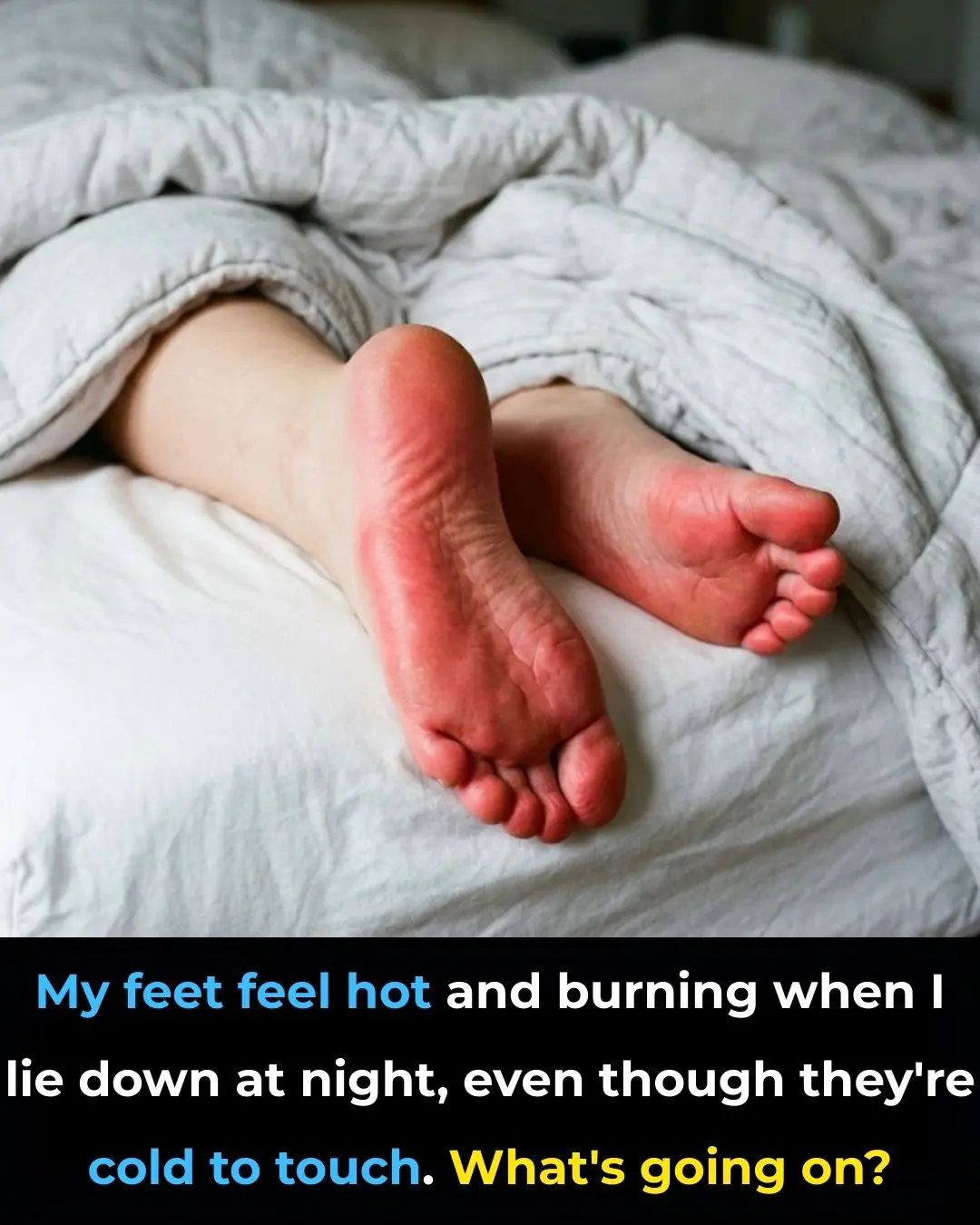
My feet feel hot and burning when I lie down at night, even though they’re cold to touch. What’s going on?
My feet feel hot and burning when I lie down at night, even though they’re cold to touch. What’s going on?
Clogged Sink? Don’t Use Hot Water
Clogged Sink? Don’t Use Hot Water
7 Foods To Help You Live a Longer, Healthier Life
7 Foods To Help You Live a Longer, Healthier Life
The Seed Many People Throw Away — And Why It’s Gaining Attention in Natural Wellness
The Seed Many People Throw Away — And Why It’s Gaining Attention in Natural Wellness
Weekly Vinegar Foot Soak
Weekly Vinegar Foot Soak
Should you eat sprouted potatoes or not?
Should you eat sprouted potatoes or not?
