
How to Relieve a Nighttime Cramp
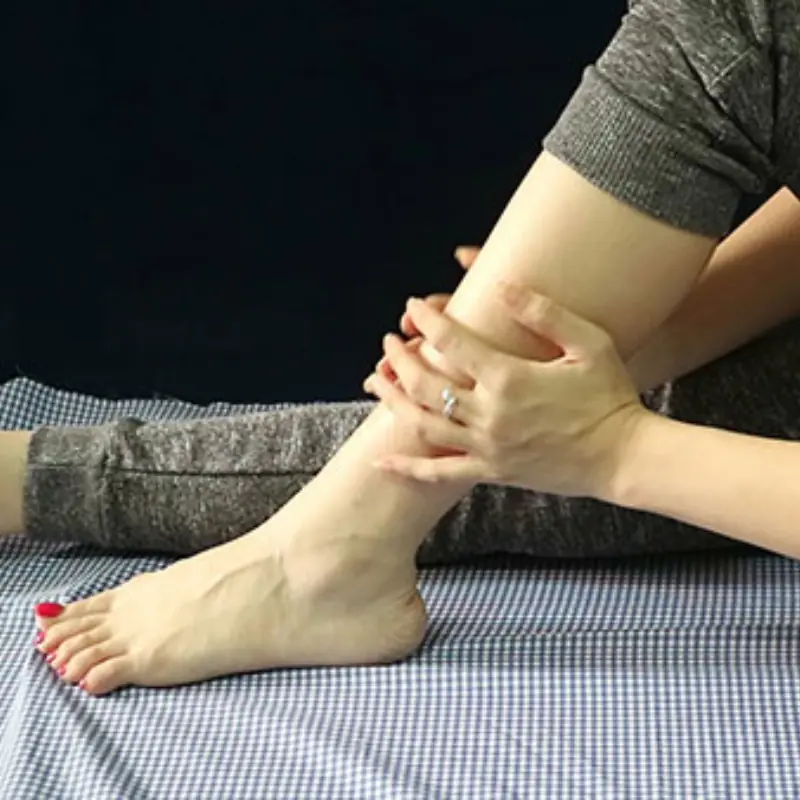
When a leg cramp occurs, stretching the affected muscle is often the most effective way to relieve the pain. Gently straightening the leg and flexing the foot upward can help relax the calf muscle.
Massaging the muscle, walking around the room, or applying a warm compress may also help reduce tension and improve circulation.
Some people find that drinking water or electrolyte-rich fluids can prevent future cramps, particularly if dehydration is the underlying cause.
Preventing Night Leg Cramps
Although it may not always be possible to prevent nighttime cramps completely, several habits may reduce the likelihood of experiencing them.
Doctors suggest the following tips:
-
Stay well hydrated throughout the day
-
Stretch leg muscles before going to bed
-
Maintain regular physical activity
-
Avoid sitting in the same position for too long
-
Wear comfortable footwear that supports the feet
Simple bedtime stretching routines can be especially helpful in keeping muscles relaxed and less prone to spasms.
When to See a Doctor
Occasional leg cramps are common and usually harmless. However, if cramps occur frequently, last for long periods, or are accompanied by swelling, redness, or muscle weakness, it may be wise to consult a healthcare professional.
Persistent cramps could indicate underlying health conditions that require medical evaluation.
Final Thoughts
Nighttime leg cramps can be painful and disruptive, but they often serve as signals that the body needs attention. Whether caused by dehydration, muscle fatigue, or nutritional imbalance, understanding the possible reasons behind these cramps can help people take steps to reduce them.
