
Throughout history, few names have inspired as much fascination, speculation, and mystery as Nostradamus.
The 16th-century French astrologer and physician, born Michel de Nostredame in 1503, became famous for his cryptic quatrains that many believe predicted major world events centuries in advance.
Although his writings are highly symbolic and open to interpretation, people often attribute modern ideas and superstitions to him — including imaginative claims about everyday life.
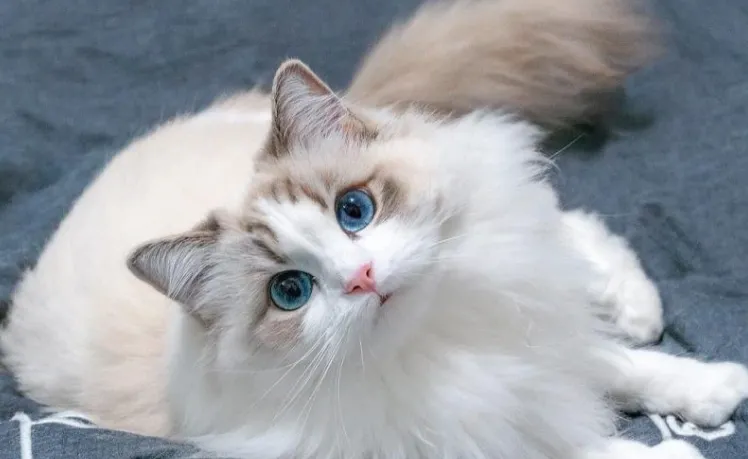
One such popular notion suggests that “Nostradamus predicted that those who have a cat at home will…” experience special fortune, protection, or spiritual insight.
To understand why such a belief might arise, we must first examine the symbolic role of cats in history.
In ancient Egypt, cats were revered as sacred animals associated with the goddess Bastet, symbolizing protection, fertility, and grace.
Killing a cat was considered a severe crime.
This reverence created a long-lasting association between cats and divine guardianship.
In contrast, during parts of medieval Europe, cats — especially black cats — were sometimes linked to witchcraft and superstition.
Ironically, the fear of cats during that era contributed to an increase in rodents, which may have worsened the spread of disease.
Over time, however, society’s view of cats evolved again, and they came to symbolize independence, mystery, intuition, and emotional sensitivity.
If we imagine what a symbolic Nostradamus-style prediction might mean, it would likely focus less on literal fortune and more on spiritual or psychological outcomes.
Those who have a cat at home often experience unique emotional benefits.
