
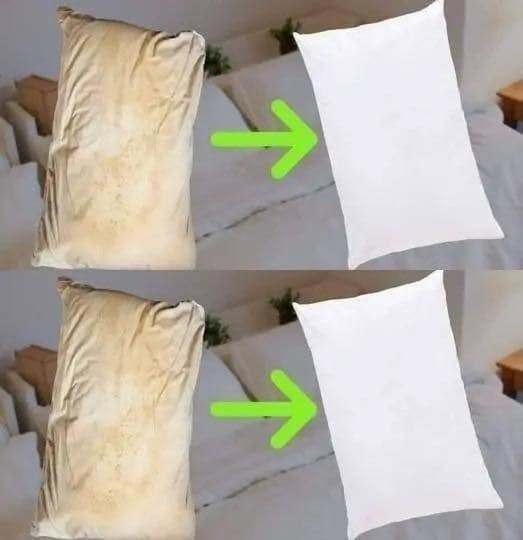
2. Machine Wash If Possible
If your pillows are machine washable:
-
Wash two pillows at a time to balance the load.
-
Use a mild laundry detergent and select a warm or hot water cycle if allowed.
-
Adding a cup of white vinegar can help neutralize odors and break down buildup.
-
Use an extra rinse cycle to remove all detergent residue so pillows don’t trap smells again.
3. Spot Clean Non-Washable Pillows
For pillows that can’t be machine washed, spot clean any stains with a mild detergent and water mixture. Gently blot the area rather than saturating the pillow. You can also sprinkle baking soda over the pillow surface and vacuum it to absorb odors and refresh the filling.
4. Dry Thoroughly
Thorough drying is crucial. Pillows that stay damp can develop mildew or a musty smell. For machine-washable pillows, tumble dry on low heat. Adding clean tennis balls or dryer balls to the dryer helps fluff the pillows and prevent clumping. For pillows that must be air-dried, place them in direct sunlight if possible; UV rays help eliminate odor-causing bacteria.
Extra Tips to Keep Pillows Fresh
-
Deodorize regularly. Between washes, sprinkle baking soda over pillows, let sit for an hour, then vacuum it up to reduce odors.
-
Air them out. Fresh air and sunlight can naturally disinfect and refresh old pillows.
-
Use pillow protectors. A protective cover beneath your pillowcase catches sweat and oils, making deep cleaning less frequent.
-
Wash pillowcases often. Clean pillowcases protect the pillow itself and improve overall freshness.

When to Replace Your Pillows
Even with good cleaning habits, pillows don’t last forever. Experts recommend replacing them every one to two years or sooner if they lose support, become lumpy, or emit persistent odors. A well-maintained pillow is healthier and contributes to better sleep.
