
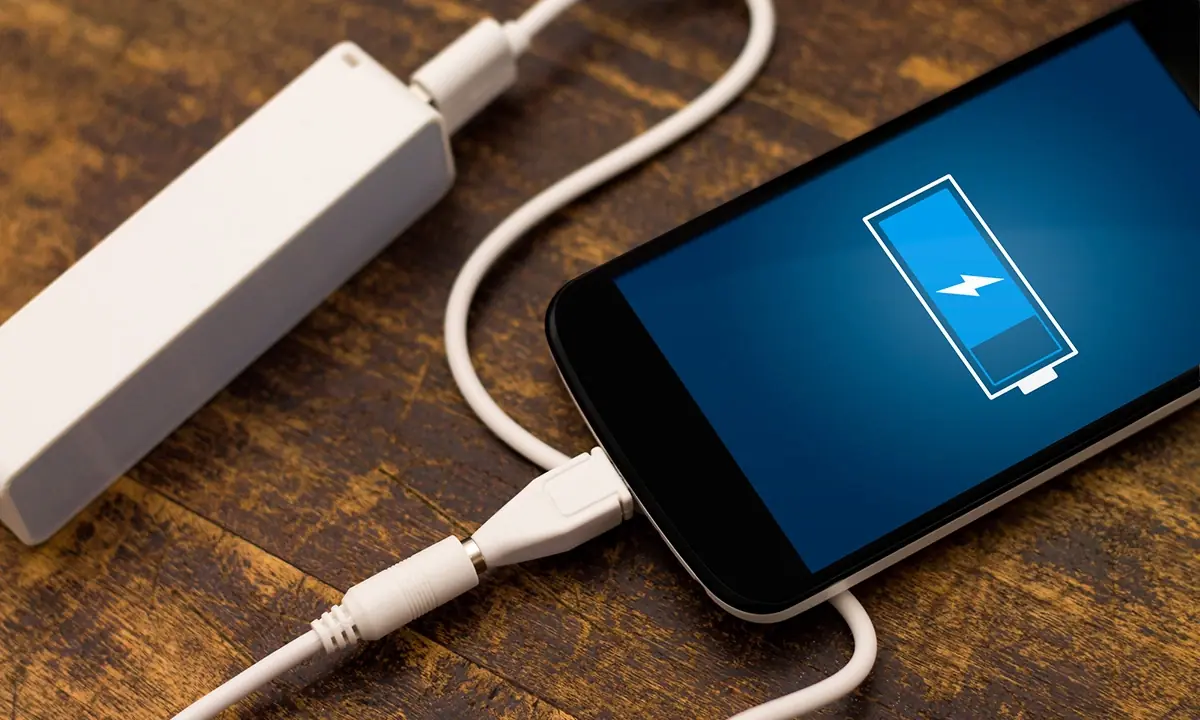
Smartphones have become an essential part of everyday life. From communication and work to entertainment and navigation, people rely heavily on their devices throughout the day. Because of this constant usage, keeping a phone battery healthy and long-lasting has become increasingly important. Many people believe that charging a phone battery to 100% is the best way to ensure it lasts longer during the day. However, modern battery science suggests that frequently charging your phone to full capacity may actually reduce its long-term lifespan.
Understanding how smartphone batteries work can help users make better charging decisions and extend the life of their devices. Most smartphones today use lithium-ion batteries, which behave differently from the older battery technologies used years ago.
10 lưu ý sạc pin điện thoại đúng cách, an toàn giúp bảo vệ “dế yêu” – Thegioididong.com
Understanding Lithium-Ion Batteries
Lithium-ion batteries are designed to store energy efficiently while remaining lightweight and compact. These batteries power almost every modern smartphone, laptop, and tablet. Unlike older nickel-based batteries, lithium-ion batteries do not suffer from the “memory effect,” meaning they do not need to be fully discharged before charging again.
However, lithium-ion batteries are sensitive to stress caused by extreme voltage levels. When a battery reaches 100% charge, the voltage inside the battery cells becomes higher. Maintaining this high voltage for long periods can slowly degrade the battery’s internal chemistry.
Over time, this degradation reduces the battery’s capacity, meaning it will hold less energy and need to be charged more frequently.
Battery Stress at Full Charge
Charging a battery to 100% places it under greater electrical stress compared to charging it to slightly lower levels such as 80% or 90%. At full capacity, lithium-ion batteries operate at their maximum voltage level. This condition can accelerate chemical aging inside the battery.
The longer a battery remains at full charge, the more strain it experiences. This is especially common when people leave their phones plugged in overnight. While modern smartphones have safety systems that stop charging when the battery is full, the device may still maintain a high voltage state for several hours.
Repeated exposure to this high-voltage state can gradually reduce battery health over time.
The Ideal Charging Range
Many battery experts suggest keeping a smartphone battery between 20% and 80% for optimal longevity. This range helps reduce stress on the battery and slows down chemical wear inside the cells.
Charging within this range also helps maintain a stable voltage level, which allows the battery to function more efficiently over a longer period of time. Some smartphone manufacturers even include built-in features that limit charging to around 80% in order to protect battery health.
