
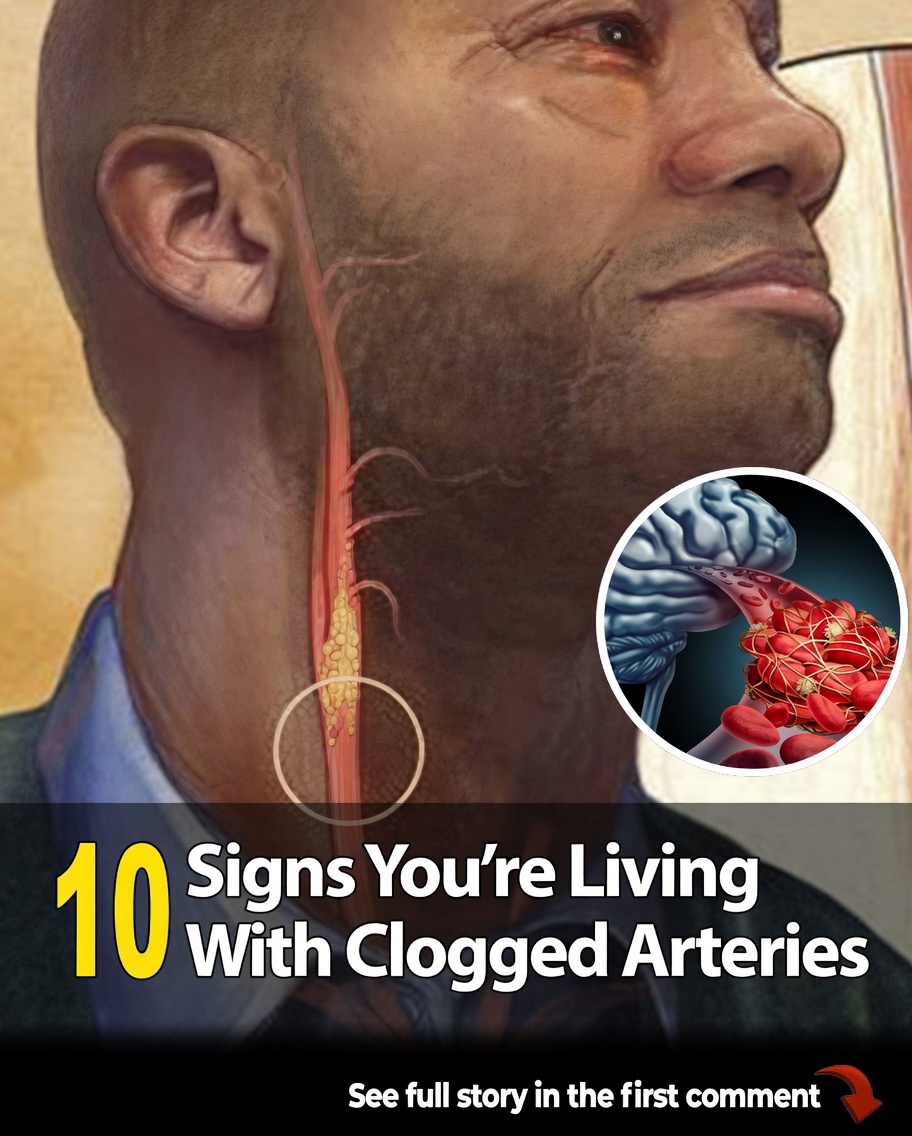
Clogged arteries, also known as atherosclerosis, occur when fatty deposits, cholesterol, and other substances build up inside the walls of blood vessels. Over time, these deposits narrow the arteries and reduce blood flow to important organs such as the heart and brain.
This condition can develop slowly over many years without obvious symptoms. In some cases, the first warning sign may be a heart attack or stroke. Understanding the early symptoms can help people seek medical attention sooner and reduce serious health risks.
1. Chest Pain or Pressure
Chest pain is one of the most common warning signs of blocked arteries. Many people describe it as pressure, tightness, heaviness, or burning in the chest.
The pain often appears during physical activity or stress and improves with rest. This happens because the heart muscle is not receiving enough oxygen-rich blood.
2. Shortness of Breath
When arteries become narrow, the heart has to work harder to pump blood throughout the body. As a result, a person may feel short of breath even during mild activity.
Some people experience breathing difficulties before they ever notice chest pain.
3. Constant Fatigue
Feeling tired all the time without a clear reason may be linked to poor circulation. Reduced blood flow means the body’s organs and muscles receive less oxygen and nutrients.
Persistent fatigue should never be ignored, especially when combined with other symptoms.
4. Numbness or Weakness in the Limbs
Blocked arteries can reduce blood flow to the arms, legs, or brain. This may cause numbness, weakness, tingling, or a cold sensation in the extremities.
If blood flow to the brain is affected, symptoms such as weakness on one side of the body or difficulty speaking may occur.
5. Leg Pain While Walking
Pain, cramping, or heaviness in the legs during walking may indicate peripheral artery disease.
This condition occurs when arteries supplying blood to the legs become narrowed. The pain usually improves with rest.
6. Dizziness or Loss of Balance
Poor blood flow to the brain can lead to dizziness, confusion, balance problems, or even fainting.
Frequent episodes of dizziness should be evaluated by a healthcare professional.
7. High Blood Pressure
Narrow arteries increase resistance to blood flow, forcing the heart to pump harder.
Over time, this can cause high blood pressure, which further damages the arteries and increases the risk of heart disease and stroke.
8. Erectile Dysfunction
In some men, erectile dysfunction may be an early warning sign of poor circulation.
Because the arteries in this area are smaller, they may become affected before symptoms appear elsewhere in the body.
9. Cold Feet or Changes in Skin Color
Continued on next page:
