
9. Cold Feet or Changes in Skin Color
Reduced circulation can make the hands or feet feel cold. Skin may appear pale, bluish, or shiny.
Cuts and wounds may also heal more slowly because less blood reaches the tissues.
10. Headaches or Vision Problems
Insufficient blood flow to the brain or eyes can cause headaches, blurry vision, or temporary vision loss.
In severe cases, these symptoms may signal a possible stroke.
Main Causes of Clogged Arteries
Several factors can increase the risk of developing artery blockage:
- Smoking
- High cholesterol
- High blood pressure
- Diabetes
- Obesity
- Physical inactivity
- Chronic stress
- Poor diet high in saturated fats and sugar
- Excessive alcohol consumption
How to Prevent Clogged Arteries
Healthy lifestyle habits can significantly reduce the risk of artery disease.
Important prevention tips:
- Exercise regularly.
- Eat more fruits, vegetables, and whole grains.
- Avoid smoking and tobacco products.
- Maintain a healthy body weight.
- Control blood pressure, cholesterol, and blood sugar.
- Reduce stress levels.
- Get enough sleep.
- Limit processed and fast foods.
When to Seek Medical Help
Immediate medical attention is important if you experience:
- Severe chest pain
- Sudden shortness of breath
- Weakness on one side of the body
- Difficulty speaking
- Sudden dizziness or fainting
These symptoms may indicate a heart attack or stroke.
Conclusion
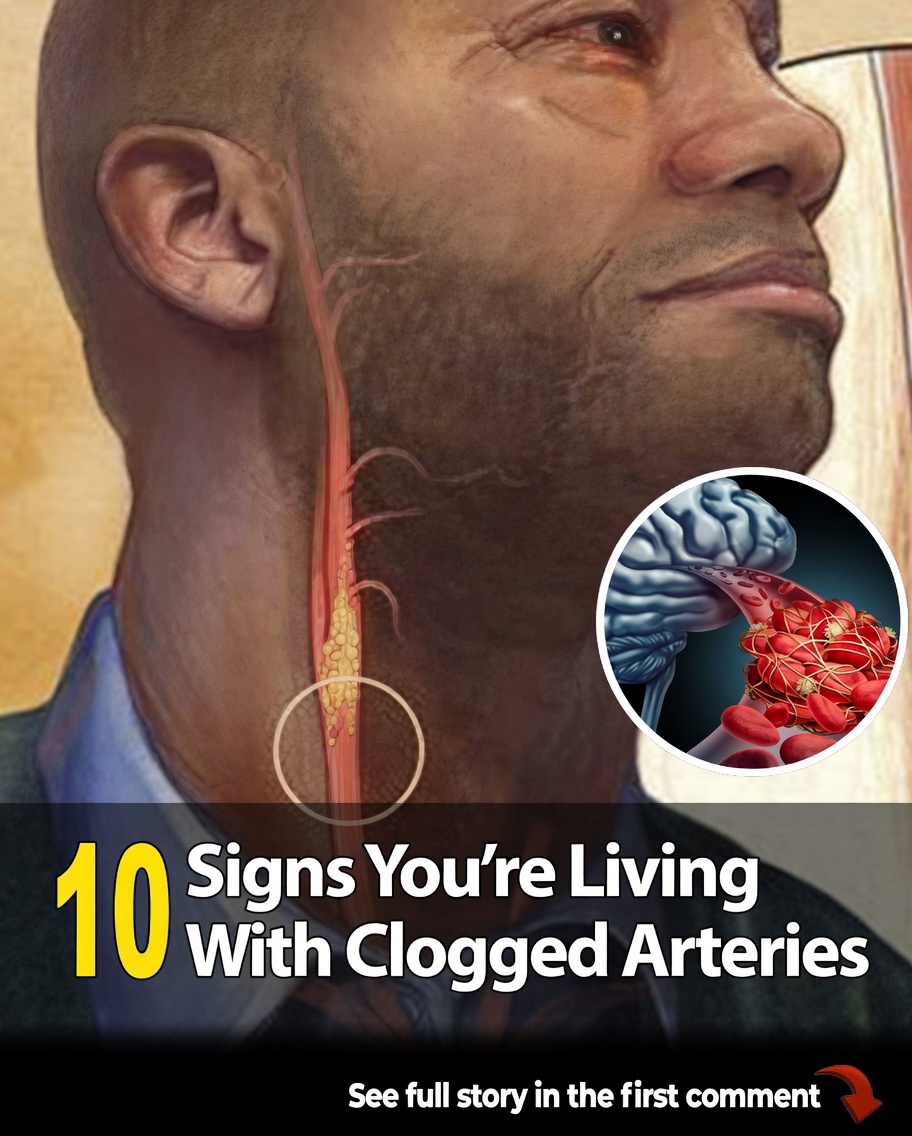
Clogged arteries are a serious health condition that can quietly develop over many years. Paying attention to early warning signs and maintaining a healthy lifestyle can greatly reduce the risk of heart disease and stroke.
Regular medical checkups are especially important for people with risk factors such as smoking, diabetes, high blood pressure, or high cholesterol.
This article is for educational purposes only and should not replace professional medical advice. Always consult a healthcare provider if you have concerns about your health.
