
Step-by-Step Preparation Guide
1. Mix the Ingredients
In a clean bowl:
Add the grated soap, flour, honey, and warm water.
Stir slowly until a thick, smooth, paste-like consistency forms.
The mixture should be spreadable but not runny. If it appears too thin, add a small pinch of flour to thicken it. If too thick, add a few drops of warm water and mix again.
2. Prepare the Compress
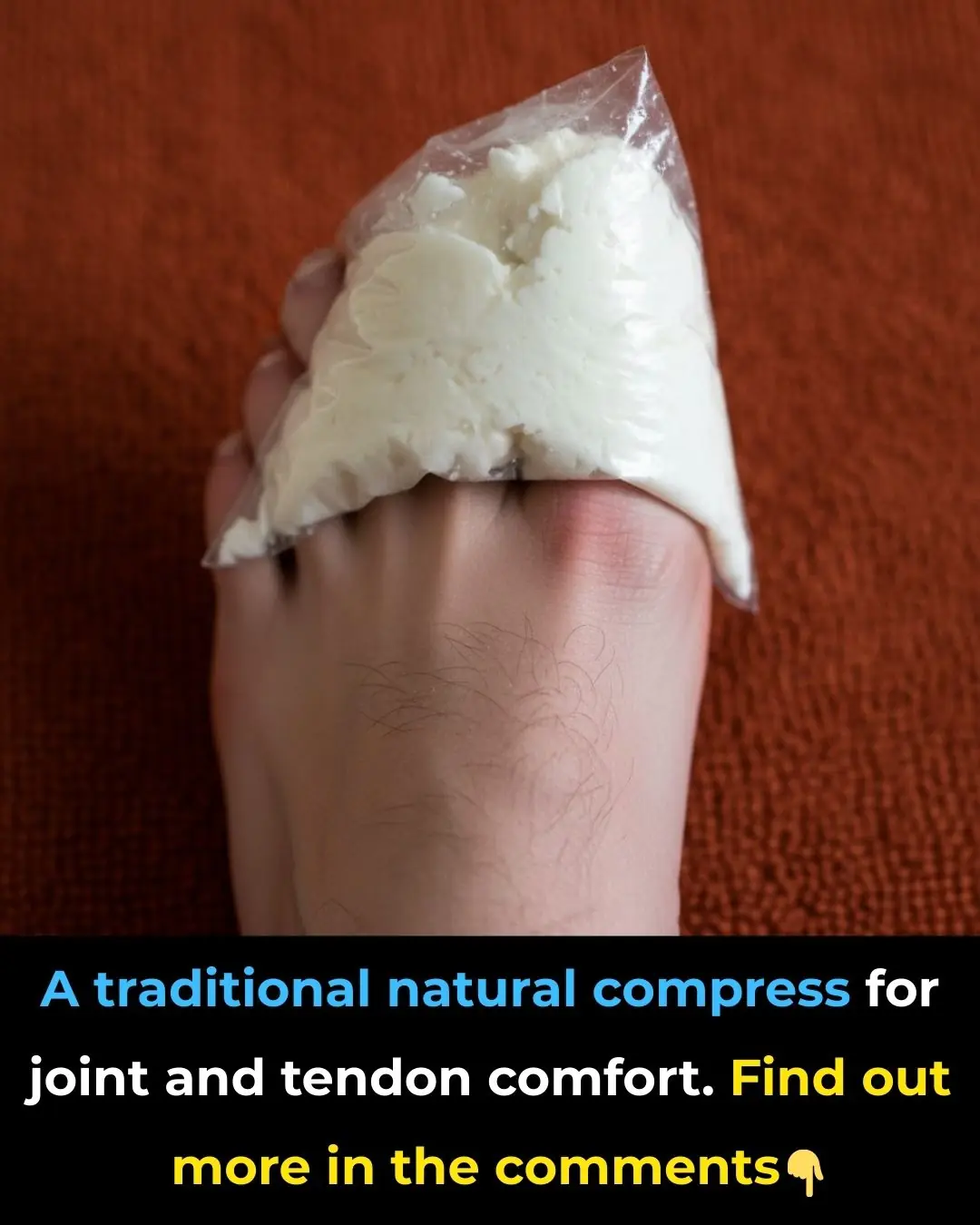
Transfer the paste into a small zip-top plastic bag.
Press out excess air before sealing.
Alternatively, wrap the mixture securely in plastic wrap.
This step prevents mess and ensures even contact with the skin. Spreading the mixture evenly inside the bag helps distribute warmth uniformly across the affected area.
3. Apply to the Affected Area
Place the sealed compress over the sore joint or tendon.
(Common areas include knees, ankles, wrists, fingers, elbows, and shoulders.)
Wrap gently with a towel, scarf, or elastic bandage.
Make sure the wrap is secure but not tight. Circulation should never be restricted. The goal is warmth and comfort—not pressure. You should still be able to move slightly without discomfort.
For best results, remain relaxed and avoid strenuous movement during application.
4. Recommended Duration
Minimum time: 2 hours
For chronic or deeper discomfort: some people leave it on overnight
If used overnight, ensure the compress is securely sealed to avoid leakage. Remove it immediately if you experience irritation, itching, burning, or unusual discomfort.
Why Do People Believe This Compress Helps?
While this remedy has not been scientifically proven as a medical treatment, each ingredient has a long tradition of use in folk practices.
Honey
Traditionally valued for its soothing qualities, honey has been widely used in home remedies for irritated tissues and skin comfort.
Soap
Soap helps the mixture maintain structure and spread evenly, ensuring consistent contact with the skin.
Flour
Flour provides thickness and stability, allowing the compress to remain in place for extended periods.
Warm Water
Warmth may encourage local circulation and muscle relaxation. Gentle heat is commonly associated with reduced stiffness and temporary relief from tension.
Together, these elements create sustained warmth and mild moisture. Many people associate this combination with decreased stiffness, improved comfort, and temporary pain relief—particularly after physical exertion or during colder weather.
