
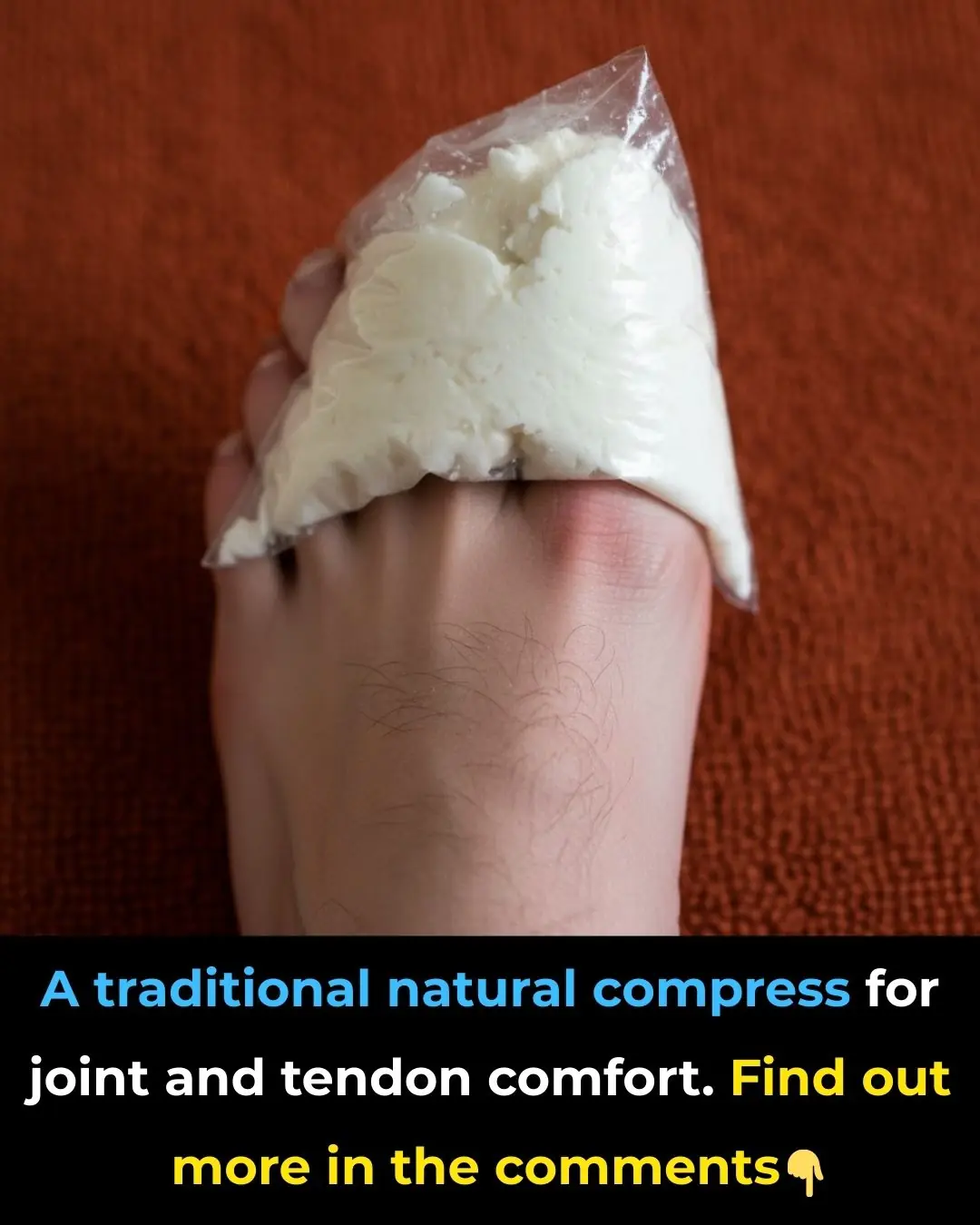
When Do People Commonly Use This Compress?
This method is typically used as a supportive comfort measure for:
Joint discomfort related to arthritis or osteoarthritis
Tendon inflammation after physical activity or overuse
Stiffness or swelling in hands, wrists, knees, and ankles
Rheumatic pain aggravated by cold or damp conditions
General muscle tightness surrounding joints
Mild post-exercise soreness
It is important to understand that this remedy is intended to promote relaxation and comfort—not to cure underlying medical conditions.
Practical Safety Tips
To use this compress responsibly:
Always perform a patch test on the inner arm and wait 15–20 minutes before full application.
Do not apply to open wounds, rashes, infections, or broken skin.
Avoid using on highly sensitive or allergy-prone areas.
Rest the joint during application for best results.
After removal, gently rinse the skin with lukewarm water and pat dry.
Discontinue use immediately if irritation occurs.
Individuals with chronic medical conditions, diabetes-related circulation issues, or skin sensitivities should exercise additional caution.
When to Seek Medical Advice
Stop using the compress and consult a healthcare professional if:
Pain persists or worsens
Swelling increases significantly
Redness, heat, numbness, or limited mobility develops
You experience recurring or severe flare-ups
Home remedies should never replace professional diagnosis, physical therapy, or medical treatment when needed. Persistent joint pain may indicate underlying conditions that require proper evaluation.
Final Thoughts
This traditional compress remains popular because it is simple, affordable, and gentle. Many people—especially older adults, physically active individuals, and those sensitive to strong commercial products—find it comforting for short-term relief.
While individual experiences vary, this remedy illustrates how long-standing household practices can still offer supportive comfort in modern life. When used thoughtfully, combined with rest and healthy movement habits, such simple methods may complement broader wellness routines.
Sometimes, rediscovering small, practical traditions reminds us that effective self-care does not always have to be complicated or expensive—it can begin right in the kitchen.
Disclaimer: This article is for informational purposes only and does not constitute medical advice. Always consult a qualified healthcare provider for diagnosis, treatment, or personalized recommendations.
