
The Backlash
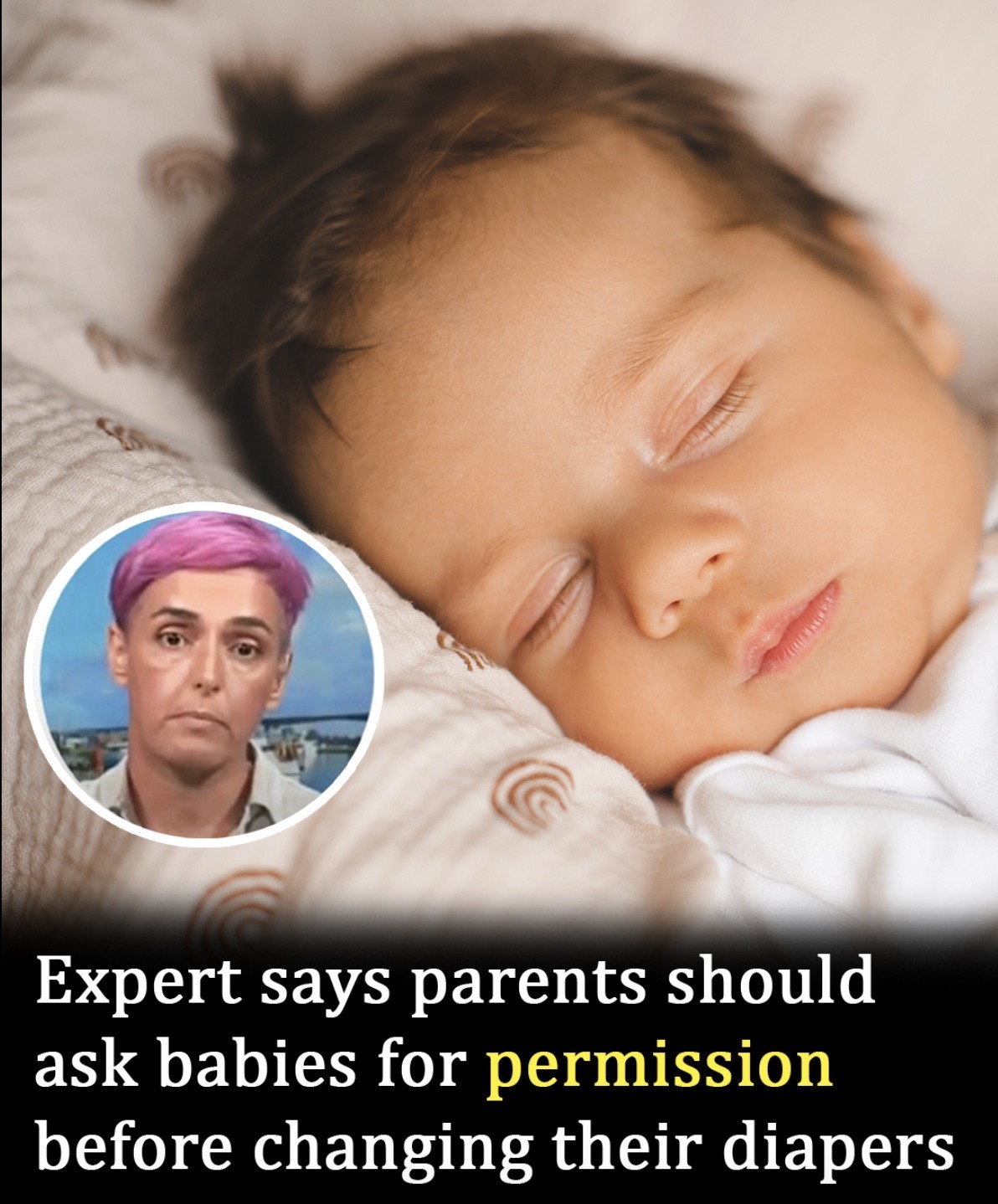
Critics argue that the word “consent” is being stretched beyond its useful meaning. Consent, legally and ethically, requires capacity. Infants do not have the cognitive development to grant or withhold permission.
Some commentators worry that using the term this way may:
Confuse parents
Create unrealistic expectations
Dilute the seriousness of consent in older children and adults
Others feel that basic caregiving tasks do not require a conceptual framework borrowed from sexual ethics. They argue that loving, attentive parenting already teaches respect without formalizing it into consent language.
The backlash reveals something deeper: society is still navigating how to teach children about boundaries in a post-#MeToo world.
What Developmental Science Actually Says
From a neuroscience perspective, babies are learning constantly through repetition and relational patterns. During the first three years of life:
Brain connections form rapidly
Emotional regulation systems develop
Attachment styles begin to take shape
Secure attachment—when a child trusts that a caregiver will respond consistently—correlates with better social outcomes later in life.
Narrating caregiving routines can support this attachment by:
Reducing anxiety
Providing emotional attunement
Encouraging early language acquisition
However, no major pediatric organization mandates asking for “consent” during diaper changes. Groups such as the American Academy of Pediatrics focus primarily on safety, hygiene, and responsive caregiving.
In other words: narration and respect are encouraged. Formal consent protocols for infants are not standard medical guidance.
The Power of Language
Part of the controversy stems from semantics. Words carry weight.
If we say:
“Explain what you’re doing to your baby.”
Most people agree.
If we say:
“Ask your baby for consent.”
Reactions intensify.
The core behavior—communicating before touching—is similar. The framing changes public perception.
Language shapes parenting culture. And parenting culture is especially sensitive to moral messaging.
Modeling Bodily Autonomy Early
Supporters argue that even symbolic consent rituals reinforce an important lifelong lesson: no one should touch your body without explanation or respect.
As children grow into toddlers and preschoolers, this foundation becomes more concrete. Parents can transition from narration to genuine choice-making:
“Do you want the blue shirt or the red one?”
