
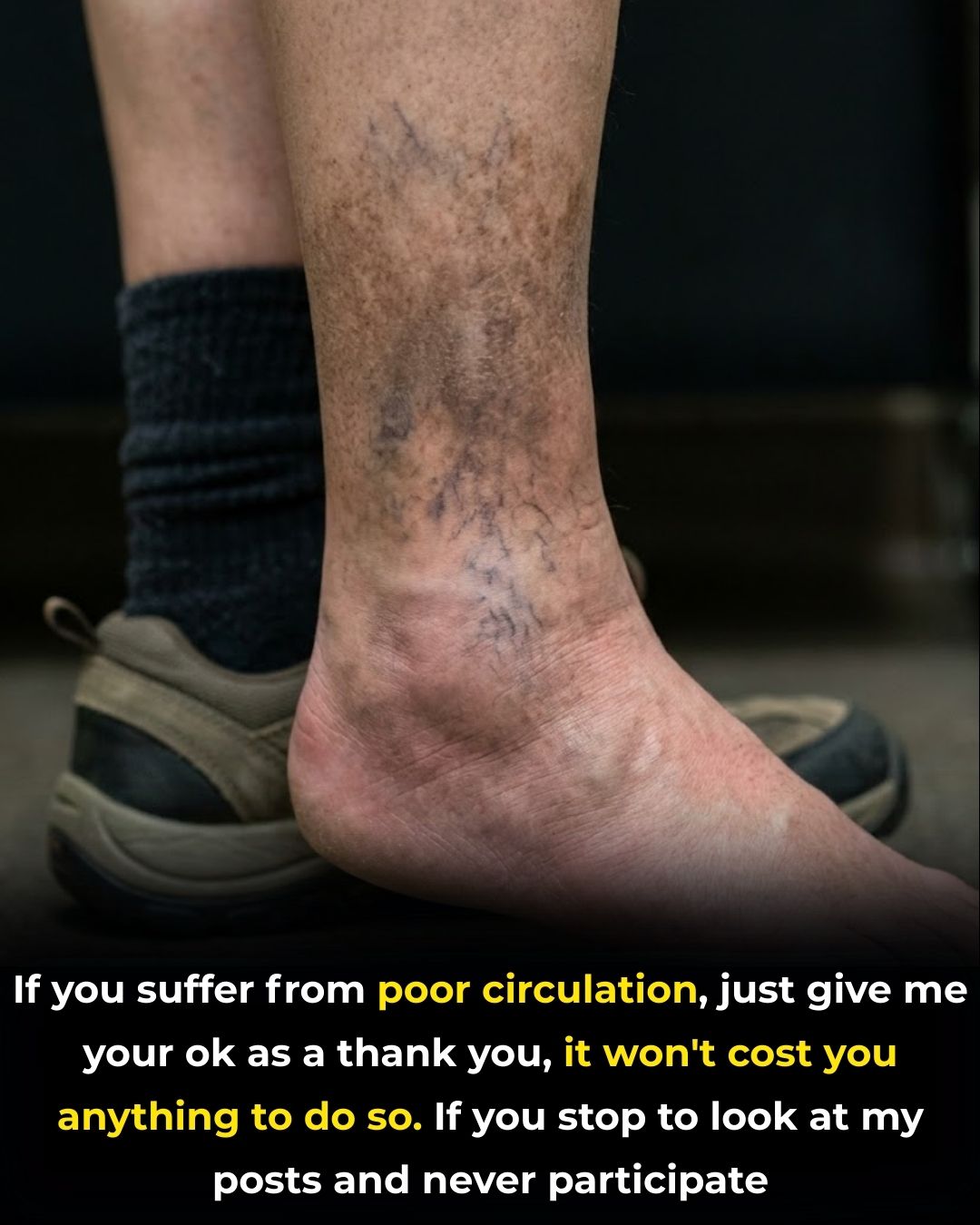
6. Skin Color Changes
Discoloration around the ankles or lower legs—such as reddish, purplish, or brown patches—may indicate long-term circulation problems. Poor blood flow can affect oxygen delivery to tissues and alter the appearance of the skin.
7. Slow-Healing Cuts or Sores
Healthy circulation is essential for healing wounds. If cuts or sores on the legs or feet take longer than usual to heal, it may mean that oxygen and nutrients are not reaching the tissues efficiently.
8. Leg Pain While Walking (Claudication)
Pain, cramping, or tightness in the legs while walking—often relieved by resting—can be a key symptom of peripheral artery disease (PAD). This occurs when narrowed arteries limit blood supply to the muscles during activity.
💡 Tip: Many of these symptoms worsen after sitting or standing for long periods and often improve when you move around.
When to Seek Medical Help Immediately
Some symptoms may signal serious conditions such as deep vein thrombosis (DVT) or an arterial blockage. Seek urgent medical care if you notice:
• Sudden swelling in one leg only
• One leg becoming much colder, paler, or bluish compared to the other
• Chest pain, shortness of breath, or coughing blood (possible pulmonary embolism)
• Open wounds that won’t heal or show infection signs such as redness, warmth, or fever
🚨 These symptoms require immediate medical attention.
Common Causes of Poor Leg Circulation
1. Chronic Venous Insufficiency (CVI)
This condition occurs when the valves inside the leg veins weaken. Instead of moving upward toward the heart, blood pools in the legs.
Common symptoms include:
Swelling
Varicose veins
Skin discoloration
Persistent leg fatigue
CVI is more common among people who sit or stand for long periods, pregnant women, and adults over 50.
