
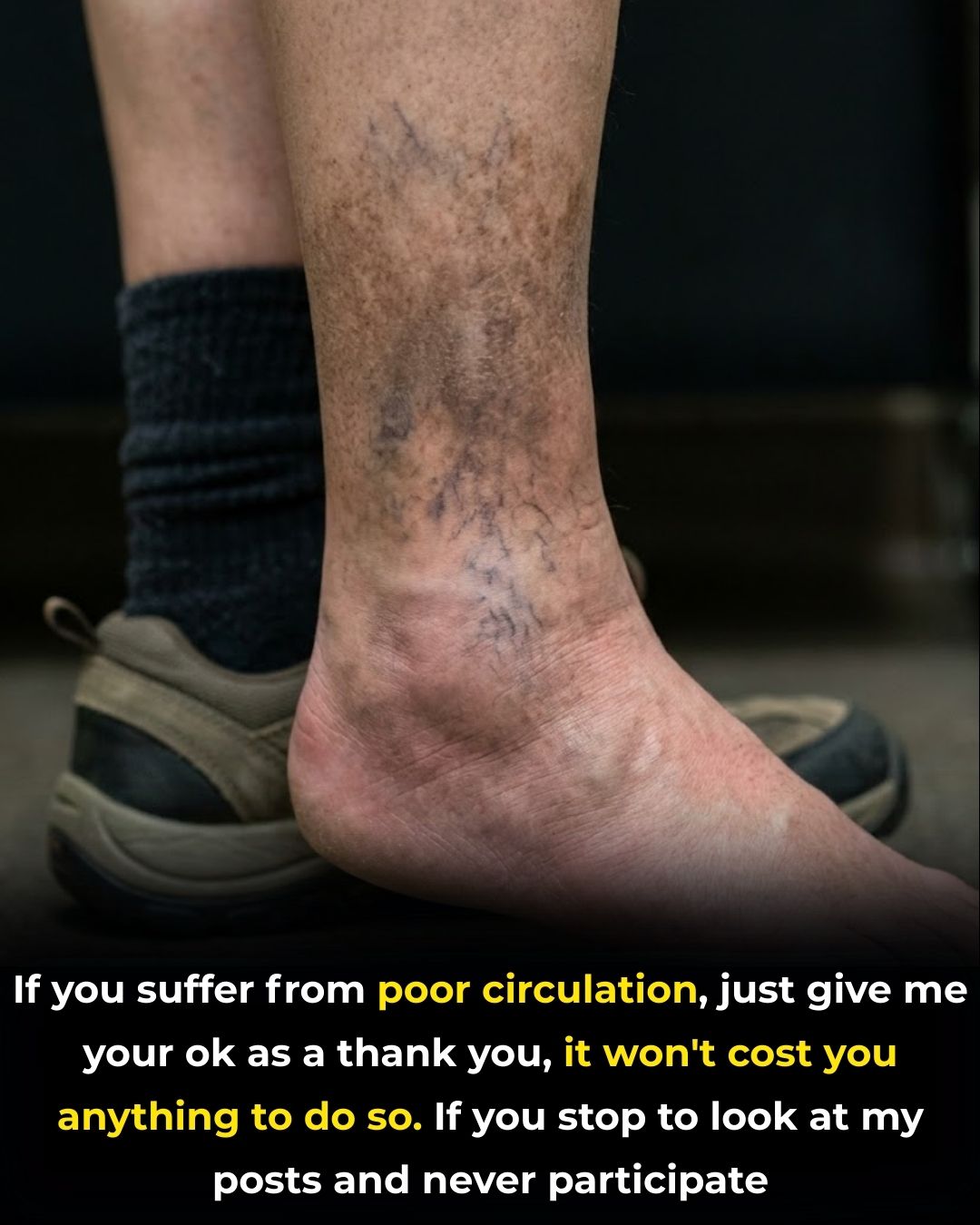
2. Peripheral Artery Disease (PAD)
PAD occurs when arteries narrow due to plaque buildup. This reduces blood flow to the legs and feet.
Typical signs include:
Pain while walking
Cold or pale legs
Slow-healing wounds
Major risk factors include smoking, diabetes, high cholesterol, and high blood pressure.
3. Lifestyle Factors
Daily habits can also affect circulation. Common contributors include:
Sedentary lifestyles
Long periods of sitting (desk jobs, travel)
Excess body weight
Smoking, which constricts blood vessels and reduces oxygen delivery
Even small lifestyle changes can significantly improve blood flow.
5 Science-Backed Ways to Improve Leg Circulation
1. Move Every 30 Minutes
Avoid sitting or standing still for too long.
Try this simple routine:
Stand and stretch every 30 minutes
Walk for 2–3 minutes
Do calf pumps: lift heels then toes while seated (20 repetitions)
These movements activate the calf muscles, which act like a pump that helps push blood back toward the heart.
2. Wear Compression Socks
Compression socks apply gentle pressure to the legs, helping blood move upward through the veins.
They are particularly helpful for:
People with standing jobs
Frequent travelers
Post-surgery recovery
Graduated compression levels of 15–20 mmHg are commonly recommended for daily use.
3. Elevate Your Legs
Raising your legs above heart level for 15–20 minutes can help reduce swelling and improve circulation.
This position allows gravity to assist blood flow back toward the heart and relieves pressure on the veins.
4. Stay Hydrated and Eat Circulation-Friendly Foods
Drinking enough water helps maintain healthy blood viscosity and prevents dehydration.
Foods that support circulation include:
• Leafy greens – rich in nitrates that improve blood vessel function
• Berries – packed with antioxidants that reduce inflammation
• Fatty fish – high in omega-3 fatty acids for vascular health
• Garlic and ginger – natural compounds that may support blood vessel relaxation
A balanced diet combined with proper hydration helps the circulatory system function efficiently.
5. Exercise Regularly
Walking is one of the best exercises for improving circulation.
Aim for 30 minutes of walking five days per week, even if it’s divided into shorter sessions throughout the day. Regular activity strengthens muscles, improves blood flow, and supports overall cardiovascular health.
🌿 Bonus tip: Avoid crossing your legs for extended periods—it can compress veins and slow circulation.
Prevention Starts With Small Daily Habits
Poor circulation often develops gradually over time. The good news is that early symptoms can often be improved through consistent lifestyle changes.
By staying active, maintaining a healthy diet, and paying attention to warning signs, you support not only your leg health but also your heart, brain, and long-term vitality.
Final Thought: Your Legs Are Communicating With You
That heaviness, tingling, or persistent cold feeling isn’t simply a normal part of aging. It may be your body asking for better circulation and care.
Take a short walk. Elevate your legs. Consider supportive footwear or compression socks.
Small steps today can lead to stronger, healthier legs tomorrow.
🦵 Because good circulation isn’t just about comfort—it’s a key foundation for overall wellness and energy.
Disclaimer: This article is for educational purposes only and does not replace professional medical advice. If you experience persistent symptoms or have underlying conditions such as diabetes, heart disease, or a history of blood clots, consult a qualified healthcare professional.
