
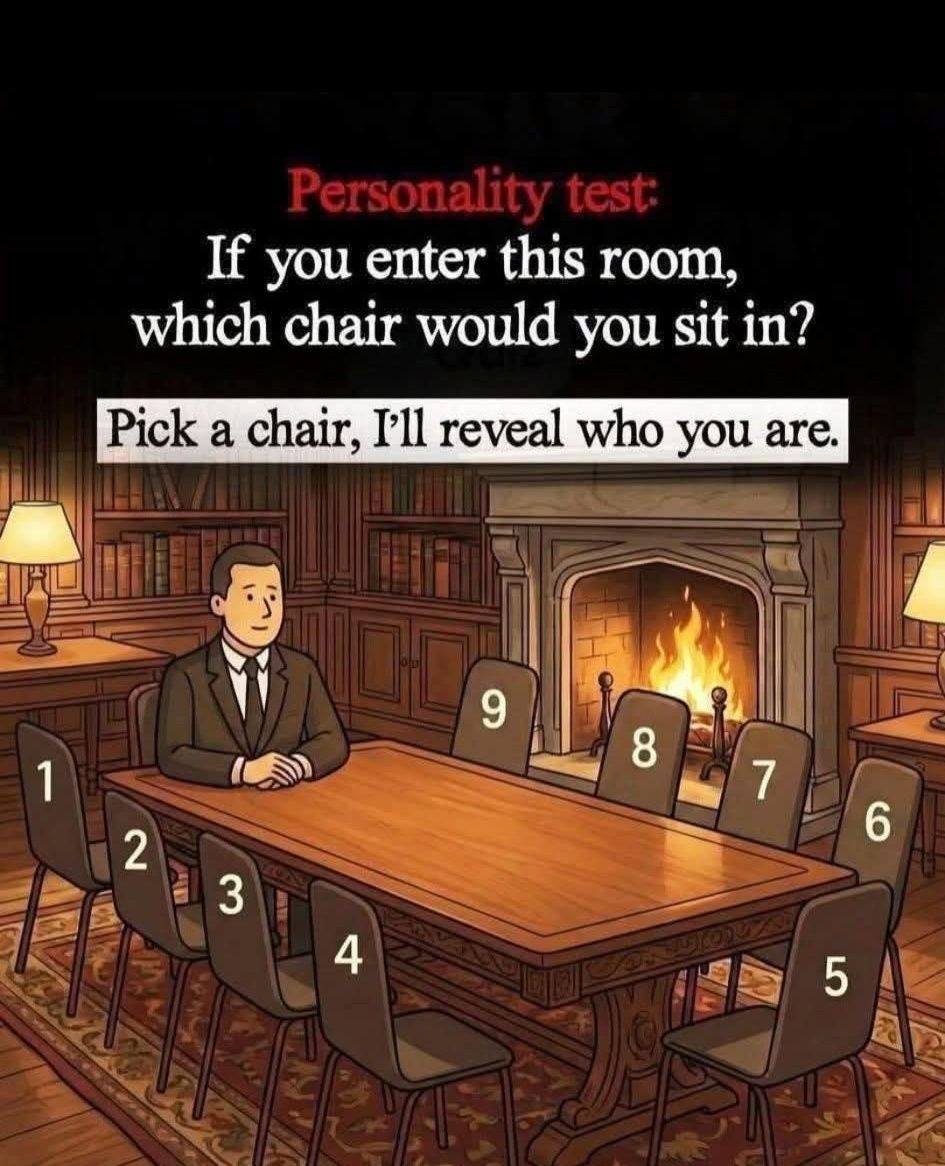
Sitting across from them can signal challenge or negotiation.
Sitting at the far end may indicate lower hierarchy — or strategic observation.
Studies in organizational behavior show that seating affects speaking time. Those closer to the perceived power position tend to speak more — and be heard more.
The room may be silent, but seating is already communicating.
The Airplane: Window, Aisle, or Middle?
Few everyday decisions spark as much debate as airplane seating.
The Window Seat
Window-seat lovers often value control over their personal space. The wall provides security. No one climbing over you. No surprise elbow bumps from the aisle.
There’s also the view — the horizon, the clouds, the illusion of privacy in a public space.
Window sitters might lean introspective.
The Aisle Seat
Aisle sitters value flexibility. Freedom to stand. Easy access to movement. They prioritize autonomy over scenery.
There’s subtle symbolism here: the aisle represents motion and options.
The Middle Seat
The middle seat is rarely chosen — it’s assigned by circumstance. And yet, it may reveal resilience. Adaptability. The ability to tolerate discomfort in exchange for inclusion.
Airplane seating exposes our tolerance for confinement, our need for control, and how we negotiate shared space.
The Theater: Front and Center or Back in the Shadows?
At concerts, plays, and movies, seating becomes a statement of immersion.
Front-and-center attendees want intensity. They want to feel the sound vibrate in their chest. They don’t mind visibility.
Those who choose seats farther back often value perspective. They see the full stage, the audience, the big picture.
Neither is better — just different experiences.
Interestingly, ticket pricing often reflects this psychology. Premium seats capitalize on perceived closeness to importance.
Where will you sit when the spotlight is on?
The Dinner Table: Social Geometry
At a dinner party, seating can shape the entire night.
Sitting next to someone invites connection. Sitting across encourages debate. Corners create subtle boundaries.
In family settings, seats sometimes become ritualized — “Dad’s chair,” “Grandma’s spot.” These positions hold emotional weight.
Changing seats can subtly shift dynamics. Try sitting somewhere new at a familiar table and notice how conversations change.
Seating influences interaction patterns more than we realize.
The Psychology Behind It All
Environmental psychology suggests that humans constantly scan for safety, visibility, and social positioning. Seating decisions often reflect three core needs:
Security – Can I see entrances? Is anyone behind me?
Belonging – Am I close to my group?
Status – How visible or influential is this position?
Even in ancient settings, tribal leaders often positioned themselves strategically — protected yet central.
Modern rooms may look different, but the instincts remain.
Where You Sit in Conflict
Consider a mediation session.
Sitting side-by-side fosters collaboration. Sitting directly across can feel adversarial.
That’s why some negotiation experts recommend removing the table entirely. A round table can reduce perceived hierarchy. The shape of the furniture influences tone before words are spoken.
The famous Resolute Desk in the Oval Office, used by many U.S. presidents including Donald Trump and Joe Biden, isn’t just furniture — it’s symbolic positioning. The person seated behind it is framed as authority. Visitors sit opposite, reinforcing structure.
Seating defines power narratives.
Social Events: The Invisible Strategy
