
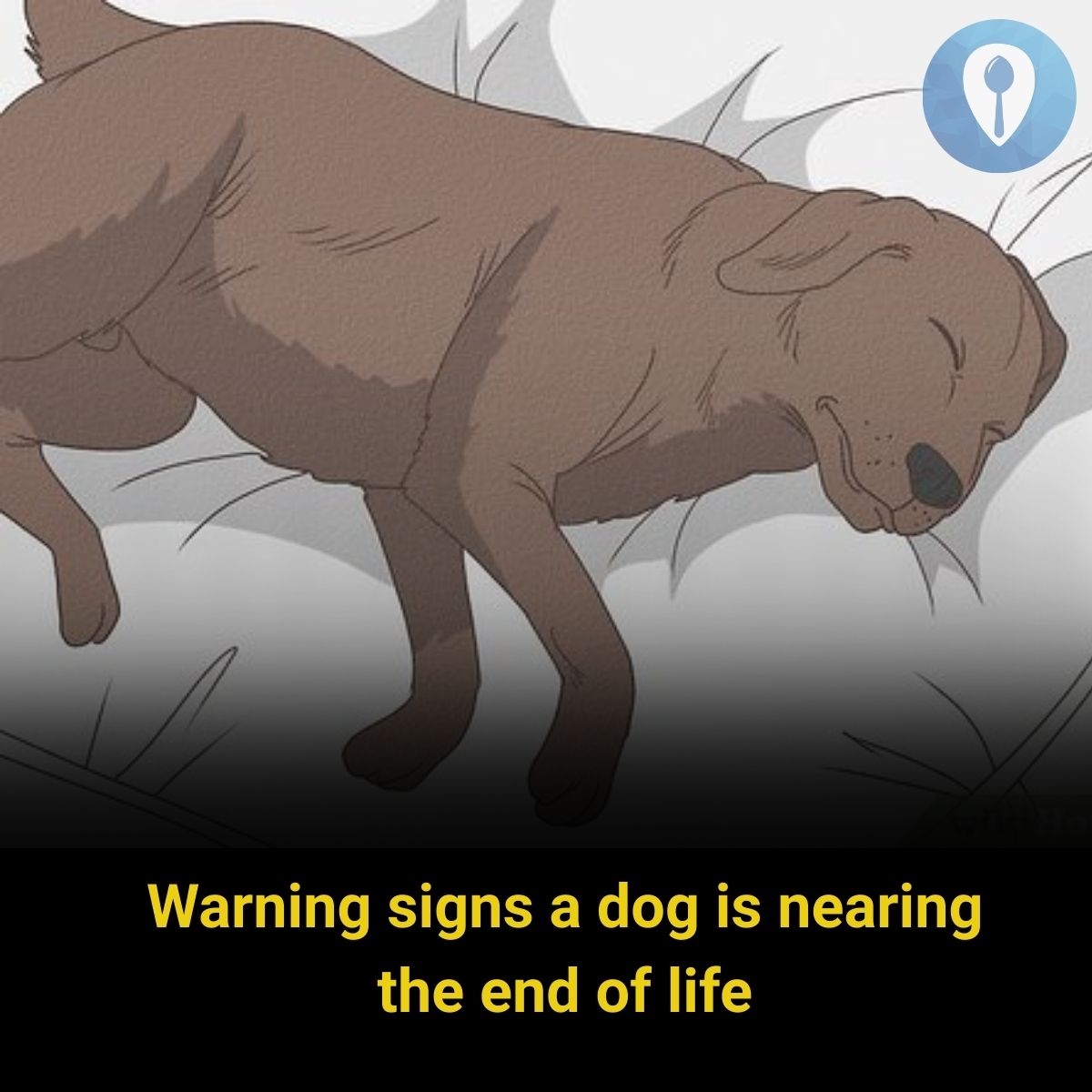
Dogs nearing the end of life often struggle with mobility. They may stumble, fall, or show hesitation when trying to stand up or walk.
Muscle weakness, joint pain, or neurological problems can make simple movements difficult.
7. Digestive Problems
Persistent vomiting, diarrhea, or constipation may occur as the body begins to fail.
These digestive issues can also lead to dehydration and rapid weight loss, making the dog appear frail.
8. Dull Eyes or Physical Changes
Owners may notice subtle physical changes such as cloudy eyes, dull fur, or skin problems.
These signs often indicate the body is weakening and struggling to maintain normal functions.
9. Reduced Interest in Surroundings
Dogs who once loved toys, treats, or attention may stop responding to familiar stimuli. They might ignore calls, lose interest in play, or show little reaction to things they once enjoyed.
This emotional withdrawal can signal a decline in both physical and mental health.
10. Temperature Changes
Dogs approaching the end of life may struggle to regulate their body temperature. Cold paws, chills, or unusual sensitivity to heat may appear as circulation weakens.
11. Seeking Comfort From Their Owners
Some dogs become especially affectionate near the end of life. They may stay close to their owners, lie beside them, or seek constant reassurance.
This behavior may reflect their need for safety and comfort during a vulnerable time.

Supporting Your Dog During Their Final Days
Recognizing these signs does not necessarily mean the end will happen immediately. However, they may indicate that your dog’s quality of life is declining.
Veterinarians often recommend evaluating factors such as pain, appetite, mobility, and happiness to determine whether a dog is still experiencing more good days than bad ones.
If you notice several of these symptoms, it is important to consult a veterinarian for guidance. They can help discuss treatment options, comfort care, or end-of-life decisions.
Most importantly, continue giving your dog the love they have always given you. Quiet companionship, gentle care, and familiar surroundings can make their final moments peaceful and dignified.
Dogs spend their entire lives loving us unconditionally. In their final days, the greatest gift we can give them is the same love in return.
