
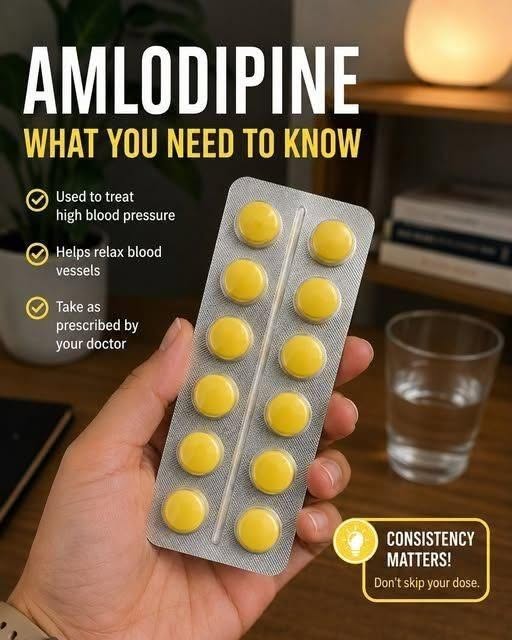
Amlodipine is a widely prescribed medication used to treat high blood pressure and prevent certain types of chest pain known as angina. It works by relaxing blood vessels, allowing blood to flow more easily and helping the heart work more efficiently.
Although amlodipine is generally well tolerated, certain habits can make treatment less effective or increase the risk of side effects. Understanding how to take your medication safely can help you manage your blood pressure and protect your long-term health.
Here are eight habits worth reconsidering if you take amlodipine.
1. Skipping Doses or Taking Your Medication Inconsistently
Amlodipine works best when taken regularly as prescribed. Frequently missing doses can make it harder to keep your blood pressure under control.
High blood pressure often causes no noticeable symptoms, so feeling fine does not necessarily mean your blood pressure is normal without treatment.
What to do instead: Take amlodipine at approximately the same time every day. Use a phone reminder or pill organizer if you sometimes forget.
If you miss a dose, follow the instructions in your medication leaflet or ask a pharmacist what to do. Never take a double dose to make up for a missed one.
2. Stopping the Medication Because You Feel Better
Amlodipine controls high blood pressure but does not cure the underlying condition. Stopping it without medical advice can allow your blood pressure to rise again.
Some people stop taking their medication because they feel healthy or worry about possible side effects.
What to do instead: Talk to your healthcare professional if you want to stop treatment or are experiencing unwanted effects. Your clinician can determine whether a change is appropriate.
Never stop a prescribed blood pressure medicine on your own.
3. Ignoring Swelling in Your Feet and Ankles
Swelling in the feet and ankles is a recognized side effect of amlodipine. It occurs because the medication changes pressure within small blood vessels, allowing fluid to collect in surrounding tissues.
This swelling does not automatically mean that your kidneys are damaged or that you have heart failure. However, persistent or worsening swelling should be assessed.
What to do instead: Tell your healthcare professional if you develop troublesome swelling. They can evaluate the cause and decide whether your treatment needs adjustment.
Seek urgent medical attention if swelling occurs with severe breathlessness or chest pain.
4. Drinking Alcohol Without Considering the Effects
Alcohol may increase the blood-pressure-lowering effect of amlodipine in some people. This can contribute to dizziness, lightheadedness, or fainting, particularly when starting treatment or changing the dose.
The effect depends on how much alcohol you consume, your health, and whether you take other medications.
What to do instead: Be cautious with alcohol, especially if you already experience dizziness or low blood pressure. Ask your healthcare professional whether drinking alcohol is suitable for you.
5. Taking New Medicines or Supplements Without Checking for Interactions
Amlodipine can interact with certain medicines, including some antibiotics, antifungal drugs, and other medications that affect how the body processes it.
It can also interact with some cholesterol-lowering medicines. For example, people taking amlodipine may need a dose limit for simvastatin because the combination can increase the risk of muscle-related side effects.
Herbal remedies, vitamins, and over-the-counter medicines should also be included in a medication review.
What to do instead: Tell your doctor or pharmacist about everything you take, including prescription medicines, supplements, and nonprescription products. Ask before starting something new.
6. Ignoring Advice About Grapefruit
 Continued on the next page
