
Introduction
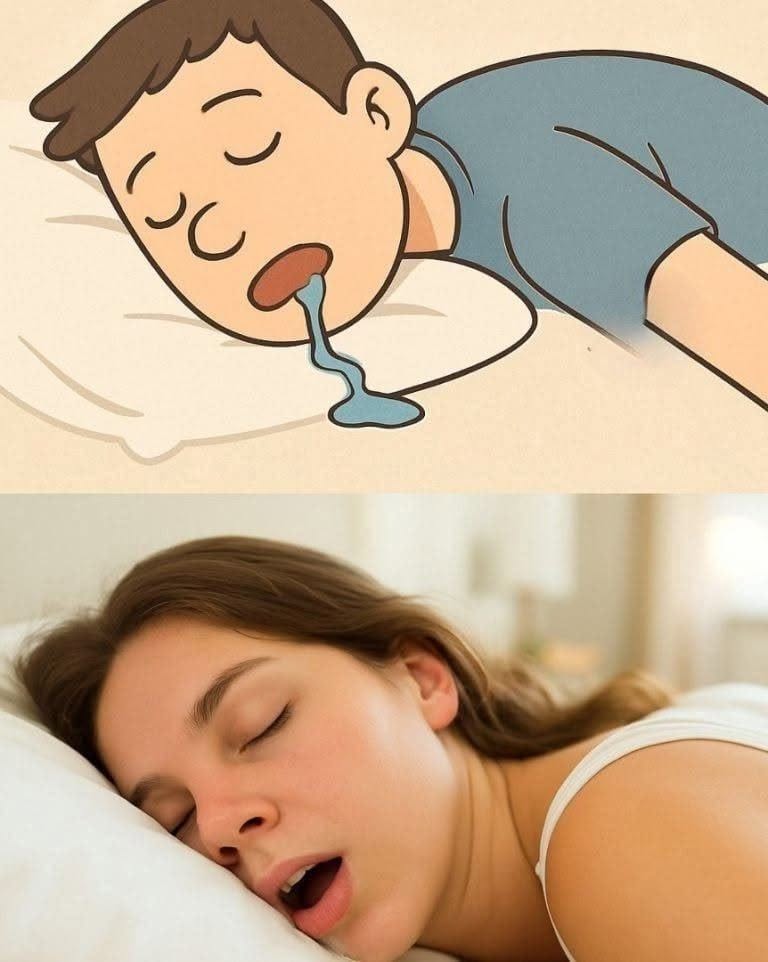
Waking up with a wet pillow or noticing that you frequently drool while sleeping can be embarrassing or frustrating. Although occasional drooling during sleep is common and usually harmless, frequent or sudden changes in saliva production may sometimes point to an underlying health issue.
Drooling occurs when saliva escapes from the mouth instead of being swallowed. This can happen because the mouth remains open during sleep, saliva production increases, or swallowing becomes less efficient.
Several factors can contribute to nighttime drooling, including sleeping position, nasal congestion, allergies, acid reflux, and certain medications. In some cases, persistent drooling may also be associated with conditions that affect the nerves and muscles responsible for swallowing.
The important thing to remember is that drooling during sleep does not automatically mean you have a medical condition. The pattern, severity, accompanying symptoms, and any recent changes all matter.
Here are six health conditions that may contribute to frequent nighttime drooling, along with practical steps that may help you manage it.
1. Nasal Congestion and Chronic Sinus Problems
When your nose is blocked, breathing through your mouth becomes more likely. If your mouth stays open while you sleep, saliva can escape more easily and collect on your pillow.
Nasal congestion may result from a common cold, seasonal allergies, sinus inflammation, or structural problems inside the nose.
Common Symptoms
Along with nighttime drooling, you may notice:
- A blocked or runny nose.
- Sneezing and itchy eyes.
- Pressure around your cheeks or forehead.
- Mouth breathing during sleep.
- A dry mouth or sore throat when you wake up.
What May Help?
Managing the underlying nasal problem may reduce mouth breathing and nighttime drooling.
Depending on the cause, helpful measures may include using saline nasal spray, drinking enough water, and reducing exposure to allergens. If congestion is persistent, a healthcare professional can help identify the cause and recommend appropriate treatment.
Avoid using decongestant nasal sprays for longer than their product instructions recommend, because some can worsen congestion when overused.
If you regularly struggle to breathe through your nose, arrange a medical evaluation rather than assuming the problem is simply related to sleep.
2. Gastroesophageal Reflux Disease (GERD)
Gastroesophageal reflux disease, commonly called GERD, occurs when stomach contents repeatedly flow back into the esophagus.
Reflux can sometimes trigger increased saliva production, a response sometimes called water brash. This extra saliva may contribute to nighttime drooling in some people.
However, drooling alone is not enough to establish that someone has GERD.
Symptoms to Watch For
Other possible symptoms include:
- Heartburn or a burning feeling in the chest.
- A sour or bitter taste in the mouth.
- Regurgitation of food or liquid.
- Discomfort after eating.
- Coughing or throat irritation, particularly at night.
Not everyone with reflux experiences typical heartburn.
What May Help?
If reflux is contributing to your symptoms, consider avoiding large meals shortly before bedtime and identifying foods or drinks that trigger your symptoms.
Some people benefit from elevating the head of the bed, particularly when reflux occurs during the night. Maintaining a healthy weight, when appropriate, may also help.
Frequent reflux, difficulty swallowing, persistent vomiting, or unexplained weight loss should be discussed with a healthcare professional.
Seek urgent medical care for chest pain accompanied by shortness of breath, sweating, faintness, or pain spreading to the arm, back, neck, or jaw.
3. Obstructive Sleep Apnea
Obstructive sleep apnea is a sleep-related breathing disorder in which the upper airway repeatedly becomes partially or completely blocked during sleep.
Some people with sleep apnea sleep with their mouths open or experience disrupted breathing that contributes to dry mouth, snoring, and nighttime drooling. However, drooling is not a reliable sign of sleep apnea on its own.
Warning Signs of Sleep Apnea
Possible symptoms include:
- Loud, frequent snoring.
- Pauses in breathing noticed by another person.
- Gasping or choking during sleep.
- Waking up with a dry mouth or headache.
- Excessive daytime sleepiness.
- Difficulty concentrating or feeling refreshed after sleep.
What Should You Do?
If you regularly snore loudly, wake up gasping, or feel unusually sleepy during the day, speak with a healthcare professional about whether a sleep evaluation is appropriate.
Sleep apnea can often be treated with approaches such as positive airway pressure therapy, oral appliances, or other measures depending on the individual.
Treating the underlying sleep disorder may improve sleep quality and related symptoms. Simply changing your sleeping position may not be enough if significant sleep apnea is present.
4. Allergies
Allergies can contribute to nighttime drooling by causing nasal congestion, postnasal drip, and mouth breathing.
Common triggers include pollen, dust mites, mold, and animal dander. Symptoms may become more noticeable at night when a person is exposed to allergens in the bedroom.
Common Allergy Symptoms
You may also experience:
- Frequent sneezing.
- A runny or stuffy nose.
- Itchy or watery eyes.
- An itchy throat.
- Repeated throat clearing.
- Symptoms that become worse in certain environments.
Ways to Reduce Allergy Symptoms
Wash bedding regularly and consider using allergen-resistant pillow and mattress covers if dust mites are a concern.
Keeping pets out of the bedroom, reducing indoor dust, and controlling indoor humidity may also help, depending on the allergen involved.
A pharmacist or healthcare professional can advise you about appropriate allergy treatments. Some antihistamines cause drowsiness or dry mouth, while other medications may have different side effects, so check the product information before using them.
If your symptoms persist despite these measures, a medical assessment can help determine whether allergies or another nasal condition is responsible.
5. Neurological Conditions That Affect Swallowing
The brain, nerves, and muscles work together to control swallowing. Certain neurological conditions can interfere with this process, making it harder to manage saliva normally.
Examples include Parkinson’s disease, stroke, and some other conditions that affect muscle coordination or swallowing.
In these situations, drooling may occur because saliva is not swallowed as efficiently, rather than because the body necessarily produces too much saliva.
Symptoms That Need Attention
Depending on the condition, other symptoms may include:
- Difficulty swallowing food, liquids, or saliva.
- Coughing or choking while eating or drinking.
- A wet or gurgling voice after swallowing.
- Changes in speech.
- New facial weakness or reduced coordination.
- Tremor, stiffness, or slowed movements.
Persistent drooling alongside swallowing difficulties should be evaluated by a healthcare professional. A swallowing assessment may be recommended to determine the safest approach to eating and drinking.
Important: Sudden drooling accompanied by facial drooping, weakness in one arm, difficulty speaking, confusion, or sudden loss of balance may indicate a stroke. Call emergency services immediately. Do not wait for the symptoms to improve.
6. Medication Side Effects
⏬Continued ⏬on the ⏬next ⏬page
