
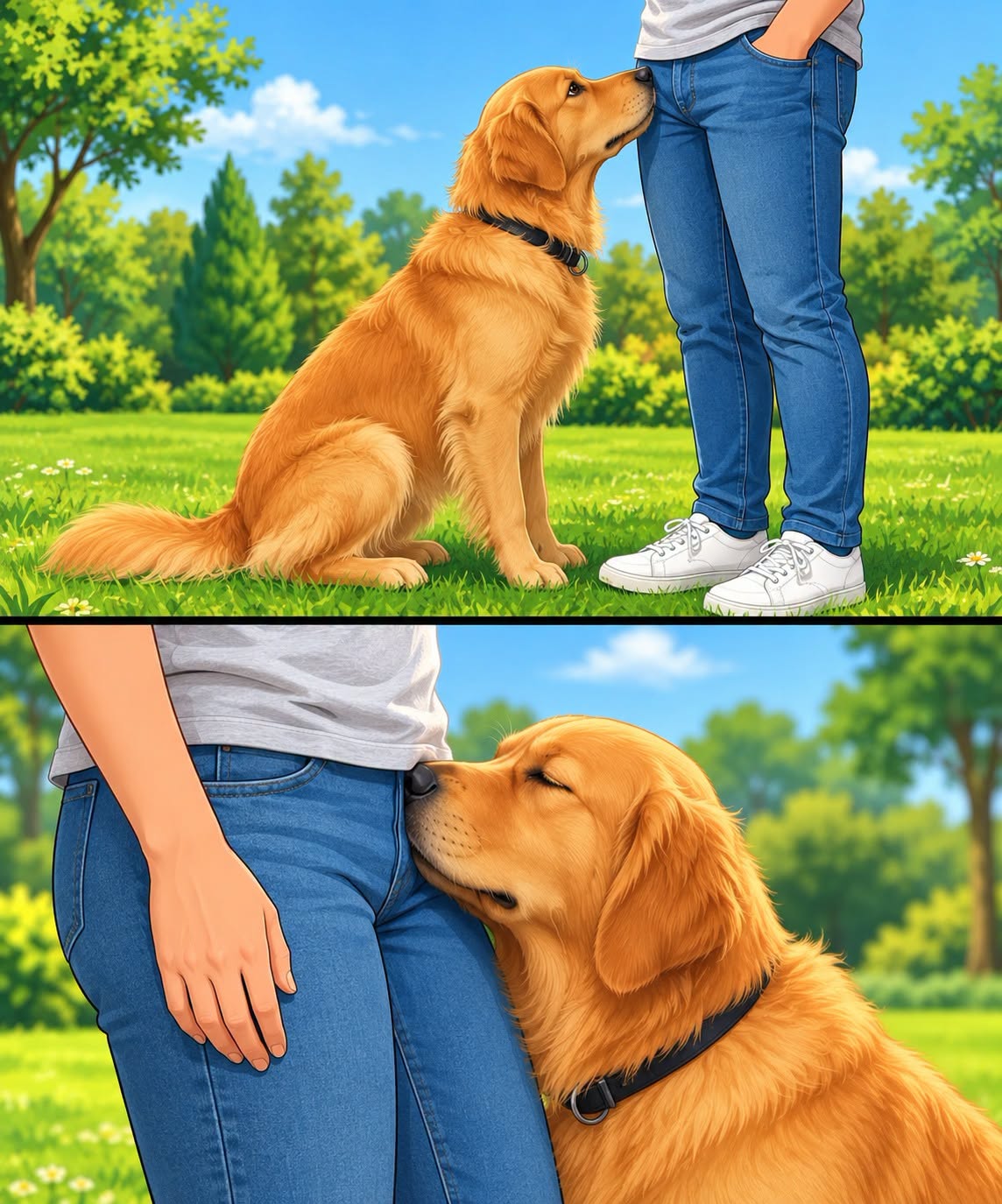
10. When Should You Stop Your Dog From Sniffing?
Although sniffing is a natural behavior, not every object or location is safe to investigate.
Dogs may encounter spoiled food, discarded medication, sharp objects, toxic substances, animal waste, or other hazards while exploring.
Pay particular attention to areas near roads, rubbish bins, public picnic spaces, and locations where chemicals may have been applied.
Be cautious around unfamiliar plants, mushrooms, and standing water. If you suspect your dog has swallowed something potentially toxic, contact a veterinarian promptly rather than waiting for symptoms.
You should also interrupt sniffing when your dog is approaching a dangerous animal, entering an unsafe area, or becoming excessively distressed.
Some dogs repeatedly sniff or lick particular surfaces because of nausea, discomfort, anxiety, or other medical issues. Persistent, sudden, or unusual behavior deserves attention, especially if accompanied by vomiting, appetite changes, lethargy, or other symptoms.
If your dog suddenly loses interest in familiar scents, appears unable to locate food, or develops other changes in smell-related behavior, discuss the issue with your veterinarian.
The aim is not to allow unlimited sniffing everywhere. It is to give dogs safe opportunities to explore while recognizing when intervention is necessary.
Common Mistakes Dog Owners Make During Walks
Even well-intentioned owners can accidentally make walks less enjoyable for their dogs.
Here are a few habits worth reconsidering.
Treating every stop as stubbornness. A dog that pauses to investigate an odor is often behaving naturally rather than deliberately refusing to cooperate.
Focusing only on distance. A long walk is not automatically more satisfying than a shorter outing with opportunities for exploration.
Allowing unsafe sniffing. Dogs should not be permitted to investigate dangerous waste, unfamiliar substances, or potentially toxic plants.
Forcing every dog to greet others. Sniffing can provide information without direct contact. Respecting distance is particularly important for nervous or reactive dogs.
Ignoring sudden behavioral changes. If sniffing becomes unusually repetitive or is accompanied by signs of illness, do not assume the behavior is harmless.
Using the same routine every day. When safe and practical, varying the route or introducing a simple scent game can provide new experiences.
Small changes can help turn ordinary walks into more rewarding activities for both dogs and their owners.
Frequently Asked Questions
Why does my dog sniff everything during a walk?
Dogs use their sense of smell to explore their surroundings and detect odors left by animals, people, food, and environmental sources. Sniffing is a normal behavior that helps them gather information.
Should I let my dog sniff as much as they want?
Allow plenty of sniffing when the location is safe and time permits. However, dogs still need boundaries, leash control, and protection from dangerous objects or substances.
Does sniffing tire dogs out?
Sniffing provides mental engagement and may contribute to a satisfying activity. However, its effect varies by dog, and it should not be treated as a direct replacement for appropriate physical exercise.
Is a sniffing walk better than a regular walk?
Neither type is automatically better in every situation. Many dogs benefit from a combination of physical movement, scent exploration, play, and other activities suited to their individual needs.
Why does my dog sniff the same tree every day?
The odors around a familiar location may change over time. Other animals, weather, and environmental conditions can introduce new scents, making the location interesting again.
Can sniffing reduce anxiety in dogs?
Scent-based activities may provide enjoyable enrichment for some dogs, but sniffing is not a guaranteed treatment for anxiety. Dogs with persistent fear or anxiety may benefit from veterinary advice and guidance from a qualified behavior professional.
Why does my dog sniff other dogs?
Scent is an important part of canine communication. Dogs may investigate odors around another dog’s body to gather information, but individual comfort levels differ. Do not force greetings when either dog seems uncomfortable.
How long should a dog spend sniffing during a walk?
There is no single ideal duration. The appropriate amount depends on the dog’s age, health, preferences, environment, and the time available. Even a few minutes of safe exploration can provide an opportunity for enrichment.
Should I worry if my dog suddenly starts sniffing excessively?
Not necessarily, but a sudden and persistent change in behavior should not be ignored, particularly if it occurs alongside confusion, discomfort, changes in appetite, or other symptoms. A veterinarian can help determine whether an underlying problem needs attention.
Conclusion: Sometimes, the Best Walk Is the One That Slows Down
The next time your dog stops beside a tree, lowers their nose toward the grass, and seems completely absorbed in a scent, consider giving them a little extra time.
What appears uninteresting to you may be a valuable opportunity for your dog to explore the environment, investigate odors, and engage in a natural behavior.
Dogs experience their surroundings differently from humans. While we tend to focus on what we see, they often gather important information through what they smell.
Allowing safe sniffing opportunities can make walks more mentally engaging, provide greater freedom to explore, and help you understand your dog’s individual preferences.
Of course, you will still have places to go and schedules to follow. Some days will require a quicker walk, and some locations will be unsuitable for lingering.
But when time and safety permit, slowing down can be a simple way to improve your dog’s daily experience.
So the next time your furry companion stops to investigate that familiar patch of grass, take a breath, loosen your pace, and let them explore.
You may discover that the most rewarding part of a walk is not how far you travel, but the world your dog gets to experience along the way.
