
One of the most important things to do in case of a stroke is to seek medical help as soon as possible. According to the guidelines for the Early Management of Patients With Acute Ischemic Stroke published by the American Heart Association (AHA) and American Stroke Association (ASA) in 2018, people treated with “a blood clot-dissolving drug within 4.5 hours of symptoms have a greater chance of recovering without major disability.”
In order to be able to act quickly in case you or someone else experiences stroke, it is of crucial importance to know the signs that indicate a person has suffered a stoke.
Face Weakness: Check if the person can smile and whether their face and eyes drop.
Arm Weakness: Can the person raise both their arms and keep them in that position
Speech Problems: Is their speech slurred? Do they speak clearly and understand what you say to them?
Time to call 999: If you notice any of this signs, seek medical help.
This test is known as FAST.
Although there are not warning signs that may indicate a stroke will happen, a 2020 study published in The Journal of Headache and Pain suggests that around 15% of 550 adult participants who had suffered an ischemic stroke experienced sentinel headache before.
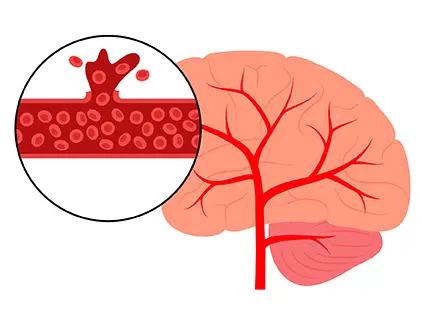
Transient ischemic attack (TIA), often called a “mini-stroke” occurs when blood flow to the brain is temporarily blocked, causing stroke-like symptoms that typically last for a few minutes or hours. TIAs should never be ignored.
As per the research, these headaches started within seven days of a stroke and lasted until the stroke happened.
 Continued on the next page
