
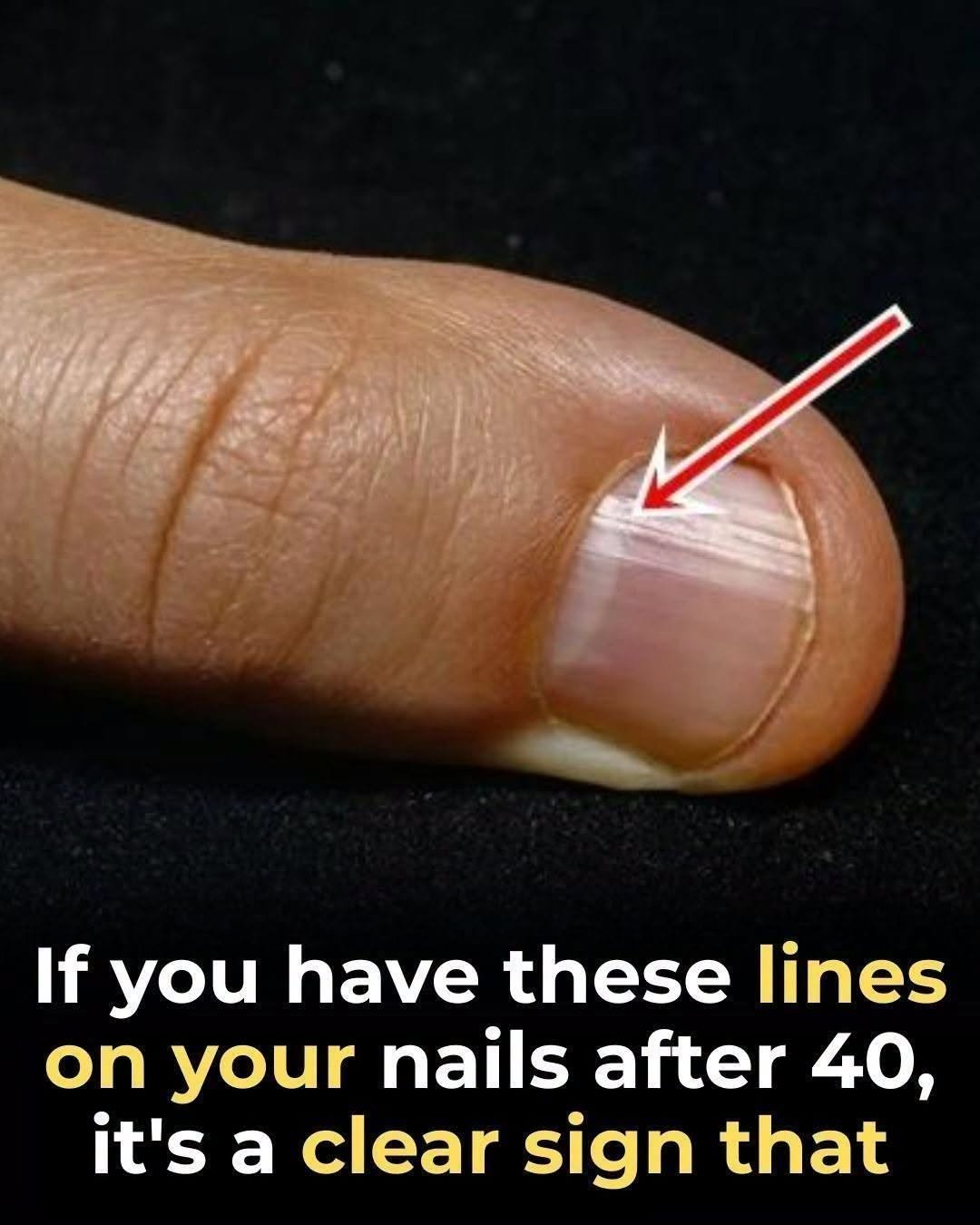
Changes in nail color and shape may sometimes provide clues about an underlying medical problem.
For example, spoon-shaped nails curve inward and may develop a shallow depression. This appearance is called koilonychia and can be associated with iron deficiency anemia, although other causes are possible.
Unusually pale nails can have several explanations, including anemia or other health conditions. Nails that become markedly rounded around the fingertips may also warrant medical evaluation.
What should you look for?
Pay attention to nail changes accompanied by symptoms such as:
- Persistent tiredness.
- Shortness of breath during ordinary activities.
- Dizziness or weakness.
- Unexplained changes in weight.
- Changes in the skin or swelling around the fingers.
These symptoms can have many causes. A healthcare professional can determine whether examination or blood tests are appropriate.
8. Nail Changes and Nutritional Deficiencies
Healthy nail growth depends on adequate nutrition, but nail appearance alone cannot reliably identify a particular deficiency.
Iron deficiency can be associated with certain nail abnormalities, including spoon-shaped nails. Severe nutritional problems may also affect nail growth and texture.
However, ordinary vertical ridges are common in healthy adults and do not automatically mean that the body lacks vitamins.
Nutrients involved in normal nail health
A balanced diet that includes a variety of foods can help support normal nail growth.
Useful dietary sources include:
- Protein: Eggs, fish, poultry, beans, lentils, and dairy products.
- Iron: Meat, beans, lentils, and iron-fortified foods.
- Zinc: Seafood, meat, dairy products, beans, and nuts.
- Vitamin B12: Fish, meat, eggs, dairy products, and fortified foods.
- Folate: Leafy green vegetables, beans, and fortified grains.
If a deficiency is suspected, ask a healthcare professional whether testing is appropriate before starting supplements.
Taking unnecessary iron or high doses of vitamins and minerals can cause side effects and may be harmful.
9. Thyroid Problems and Nail Changes
The thyroid gland helps regulate metabolism and affects many body functions. Certain thyroid disorders may cause changes in the nails, skin, and hair.
For example, hypothyroidism may be associated with brittle or slowly growing nails, while some people experience other changes in nail texture.
Nail abnormalities alone cannot diagnose a thyroid disorder.
If nail changes occur alongside persistent fatigue, unusual sensitivity to cold, changes in weight, constipation, or other unexplained symptoms, discuss them with a healthcare professional.
A clinician can review your symptoms and decide whether thyroid testing is needed.
10. Nail Changes Associated With Skin Conditions
Some skin conditions affect not only the skin but also the nails.
Psoriasis, eczema, and other inflammatory conditions may cause nail pitting, ridges, discoloration, thickening, or separation from the nail bed.
Nail pitting appears as small depressions on the nail surface. It may occur with psoriasis and certain other conditions.
Redness, swelling, tenderness, or persistent inflammation around the nails may also indicate a problem that requires treatment.
If nail changes occur alongside a persistent skin rash or joint symptoms, consider seeking medical advice rather than relying exclusively on cosmetic nail products.
11. How to Keep Your Nails Healthy as You Age
Although not every nail change can be prevented, good nail care can reduce dryness, brittleness, and damage.
Moisturize regularly
Apply hand cream after washing your hands and whenever your skin feels dry. Gently massage moisturizer around the nails and cuticles.
Protect your hands
Wear suitable gloves when handling household cleaning products or spending long periods with your hands in water.
Trim nails carefully
Use clean nail clippers and avoid cutting too deeply around the edges. Do not cut or aggressively push back the cuticles, as this can damage the protective barrier around the nail.
Avoid repeated nail trauma
Aggressive manicures, excessive filing, and frequent application and removal of artificial nails may weaken the nail plate.
Give your nails time to recover if they become damaged.
Eat a balanced diet
Include adequate protein and a variety of nutrient-rich foods. If you have dietary restrictions or symptoms suggesting a deficiency, discuss them with a qualified healthcare professional.
Monitor changes
Check your nails occasionally for new dark streaks, unusual discoloration, deep grooves, or separation from the nail bed.
Taking a photograph when a change first appears may help you track whether it is progressing and provide useful information during a medical appointment.
12. When Should You See a Doctor About Your Nails?
Most mild vertical ridges do not require urgent attention. However, a new or unexplained nail change should not automatically be dismissed as part of aging.
Arrange a medical appointment if you notice:
- New or changing dark streaks.
- Deep horizontal grooves affecting several nails.
- Persistent changes in nail color or shape.
- Nails separating from the surrounding skin.
- Pain, swelling, bleeding, or discharge.
- Nails that become unusually thick or crumble.
- Changes accompanied by persistent fatigue or other unexplained symptoms.
Seek prompt medical assessment for a new or changing dark nail streak because early evaluation is important when melanoma is a possibility.
A clinician may examine your nails and skin, ask about recent illnesses and injuries, review medications, or recommend blood tests or nail testing when indicated.
Treatment depends on the cause. Some changes need no treatment, while others improve when an underlying condition is addressed.
Frequently Asked Questions
1. Are vertical ridges in fingernails normal after 40?
Yes. Vertical ridges are common and often become more noticeable with age. They are usually harmless when the nails otherwise look healthy and there are no concerning symptoms.
2. Do nail ridges mean I have a vitamin deficiency?
Not necessarily. Ridges can result from normal aging, dryness, minor injury, and other causes. Certain nutritional deficiencies can affect the nails, but ridges alone cannot confirm a deficiency.
3. Can drinking more water remove nail ridges?
Staying hydrated supports overall health, but drinking extra water is not a proven way to eliminate established nail ridges. Moisturizing the nails and protecting them from repeated damage may help improve dryness and brittleness.
4. What are Beau’s lines?
Beau’s lines are horizontal grooves across the nails. They can occur when nail growth is temporarily interrupted by illness, injury, or certain treatments. Their significance depends on the pattern and the person’s medical history.
5. Are white spots on fingernails dangerous?
Small white spots are often harmless and may result from minor trauma. Persistent or widespread discoloration, especially with other nail changes, should be assessed by a healthcare professional.
6. Can iron deficiency cause nail changes?
Yes. Iron deficiency can sometimes cause spoon-shaped nails and other nail abnormalities. If you have symptoms that could suggest anemia, a clinician can determine whether blood tests are appropriate.
7. Why is there a black line on my fingernail?
A dark line may have several causes, including pigmentation or injury. However, a new or changing dark streak can sometimes indicate melanoma and should be examined promptly by a dermatologist.
8. Can nail ridges be treated at home?
Mild ridges associated with aging or dryness may need no specific treatment. Moisturizing, wearing protective gloves, and avoiding nail trauma can help maintain healthy nails. Sudden or unusual changes require assessment rather than self-treatment alone.
9. Should I take biotin for stronger nails?
Biotin supplements are promoted for nail health, but evidence of benefit is limited for people who do not have a deficiency. High doses can also interfere with certain laboratory tests. Ask a healthcare professional before taking high-dose biotin.
10. How long does it take for nail changes to grow out?
Fingernails grow slowly, so visible changes may take several months to move toward the tip and disappear. Toenails generally grow more slowly. The timing depends on the cause and the person’s nail growth rate.
Conclusion
Your nails can change as you get older, and vertical ridges, dryness, and brittleness are common after 40. In many cases, these changes are harmless and can be managed with gentle nail care, regular moisturizing, and protection from excessive water and chemicals.
However, not every nail change should be attributed to aging. Deep horizontal grooves, unusual discoloration, persistent inflammation, nail separation, and new or changing dark streaks may require medical evaluation.
The best approach is to observe your nails without assuming the worst. Maintain healthy habits, pay attention to changes that develop suddenly, and seek professional advice when something looks unusual or occurs alongside other symptoms.
Disclaimer: This article is intended for general educational purposes only. It does not replace professional medical advice, diagnosis, or treatment. If you have a concerning nail change, consult a qualified healthcare professional.
Medical References
- Mayo Clinic: Nail ridges and when to seek medical advice.
- Cleveland Clinic: Causes, symptoms, and treatment of nail ridges.
- American Academy of Dermatology: Nail changes that a dermatologist should examine.
- MedlinePlus: Nail abnormalities and possible causes.
