
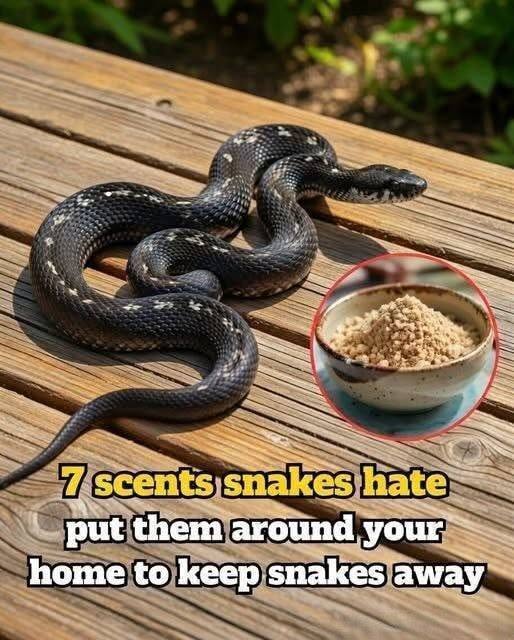
7. Ammonia
Ammonia has a sharp, pungent odor, which is why it sometimes appears in discussions about homemade snake repellents.
However, claims that ammonia reliably drives snakes away are not supported by strong evidence.
Why You Should Avoid Using Ammonia as a Snake Repellent
Ammonia can irritate the eyes, skin, and respiratory system. Exposure to concentrated fumes can be dangerous, particularly in enclosed or poorly ventilated spaces.
It should not be poured into holes, sprayed around animal hiding places, or used to force wildlife out of a confined area.
Never mix ammonia with bleach or other cleaning products. Dangerous gases can form when incompatible chemicals are combined.
Using hazardous fumes around your home is not a safe way to control snakes. Habitat management and professional assistance are better options.
What Actually Helps Keep Snakes Away From Your Home?
Although the effectiveness of household scents is uncertain, several practical measures can reduce the conditions that attract snakes to residential properties.
1. Keep Grass and Vegetation Under Control
Tall grass, dense weeds, and thick ground cover can provide shelter for snakes and their prey.
Mow lawns regularly and trim overgrown vegetation near buildings, paths, play areas, and outdoor seating spaces.
You do not need to remove every plant from your garden. The goal is to maintain visibility and reduce dense hiding places close to areas where people spend time.
2. Remove Clutter and Debris
Piles of wood, unused building materials, rocks, leaf litter, and discarded containers can provide shelter.
Keep firewood raised off the ground where practical and store it away from the house. Remove unnecessary debris and organize sheds and storage areas.
Wear sturdy footwear and use caution when moving items that may have been undisturbed for a long time.
3. Reduce Rodents and Other Potential Prey
Many snakes feed on rodents, while some species eat other animals such as frogs or insects.
Keeping food waste contained, securing pet food, cleaning up spilled birdseed, and sealing gaps that allow rodents into buildings can help reduce the prey available around your home.
Avoid placing rodent traps or poisons where children, pets, or wildlife could be harmed. Choose pest-control methods appropriate for the situation.
4. Seal Entry Points Around Buildings
Inspect the outside of your home for gaps around pipes, foundations, doors, vents, and utility openings.
Use suitable materials to seal openings while maintaining the ventilation required by the building. Repair damaged door sweeps and screens, and check sheds and garages for gaps.
If you find a snake inside a building, do not reach into hidden spaces or attempt to handle it. Keep people and pets away and contact an appropriately qualified local wildlife or animal-control professional.
5. Make Gardens Easier to Inspect
Keep pathways clear and avoid allowing dense vegetation to grow directly against frequently used doors and walkways.
When gardening, use gloves and sturdy shoes, and look carefully before reaching under pots, rocks, or outdoor equipment.
These simple habits can reduce surprise encounters without harming snakes, many of which play useful roles in local ecosystems.
6. Use Fencing Where Appropriate
In areas with frequent snake encounters, specially designed snake-exclusion fencing may be helpful when properly installed and maintained.
Its effectiveness depends on the snake species, the local terrain, the fence design, and the presence of gaps or overhanging vegetation.
Consult a local wildlife professional before installing barriers, particularly if protected species are present or local regulations apply.
What to Do If You See a Snake
Finding a snake near your home can be frightening, but the safest response is to give it space.
- Keep children and pets away.
- Do not approach, corner, touch, or attempt to capture the snake.
- Do not try to identify it by getting close.
- Allow it an unobstructed route to move away if this can happen safely.
- Contact local wildlife authorities or a qualified professional if it is inside a building, poses an immediate concern, or cannot leave safely.
Never assume a snake is harmless based on its size or color.
If someone is bitten by a snake that could be venomous, seek emergency medical help immediately. Keep the affected person as still and calm as possible, remove rings or tight items near the affected limb, and follow emergency-service instructions.
Do not cut the wound, attempt to suck out venom, apply ice, or use a tourniquet.
Frequently Asked Questions
1. What smell do snakes hate the most?
There is no universally proven smell that snakes consistently hate or that reliably keeps them away. Garlic, peppermint, cinnamon, vinegar, clove oil, eucalyptus, and ammonia are commonly mentioned, but household remedies have limited evidence of effectiveness.
2. Does peppermint oil keep snakes away?
Peppermint oil is often advertised as a snake repellent, but reliable evidence that it prevents snakes from entering homes or gardens is lacking. Concentrated essential oils can also be hazardous to pets and people if used improperly.
3. Can garlic keep snakes out of a garden?
Garlic is a popular home remedy, but it should not be relied upon as an effective snake barrier. Removing debris, controlling rodents, and reducing hiding places are more practical preventive measures.
4. Does vinegar repel snakes permanently?
No. There is no convincing evidence that household vinegar permanently repels snakes. It also becomes diluted outdoors and may damage certain plants or surfaces.
5. Are commercial snake repellents effective?
Effectiveness varies by product, species, and environmental conditions. Look for reliable, independent evidence and follow local wildlife guidance rather than assuming that a product works because its label makes a claim.
6. Do snakes enter homes looking for people?
Snakes generally do not seek out people. They may enter buildings or yards while searching for shelter, suitable temperatures, or prey, or while moving through their normal habitat.
7. Should I kill a snake in my yard?
No. Do not attempt to kill or handle a snake. This can increase the risk of a bite and may violate local wildlife laws. Keep your distance and contact a qualified professional when removal is necessary.
Conclusion
Snakes use their highly developed chemical-sensing system to understand their environment, but that does not mean every strong smell will repel them.
Garlic, peppermint, cinnamon, vinegar, clove oil, eucalyptus, and ammonia are frequently promoted as snake deterrents. However, evidence supporting their reliable use around homes is limited, and some substances can pose risks to people, pets, plants, or wildlife.
The most practical way to reduce unwanted snake encounters is to manage the environment around your property. Keep grass trimmed, remove clutter, reduce rodent activity, seal suitable entry points, and maintain clear pathways.
If you encounter a snake, give it space and seek qualified help when necessary. A combination of sensible prevention and safe wildlife practices is more dependable than relying on a particular scent.
Disclaimer: This article is for general educational purposes only. Snake species, wildlife regulations, and appropriate control methods vary by location. Consult local wildlife authorities for advice specific to your area.
