
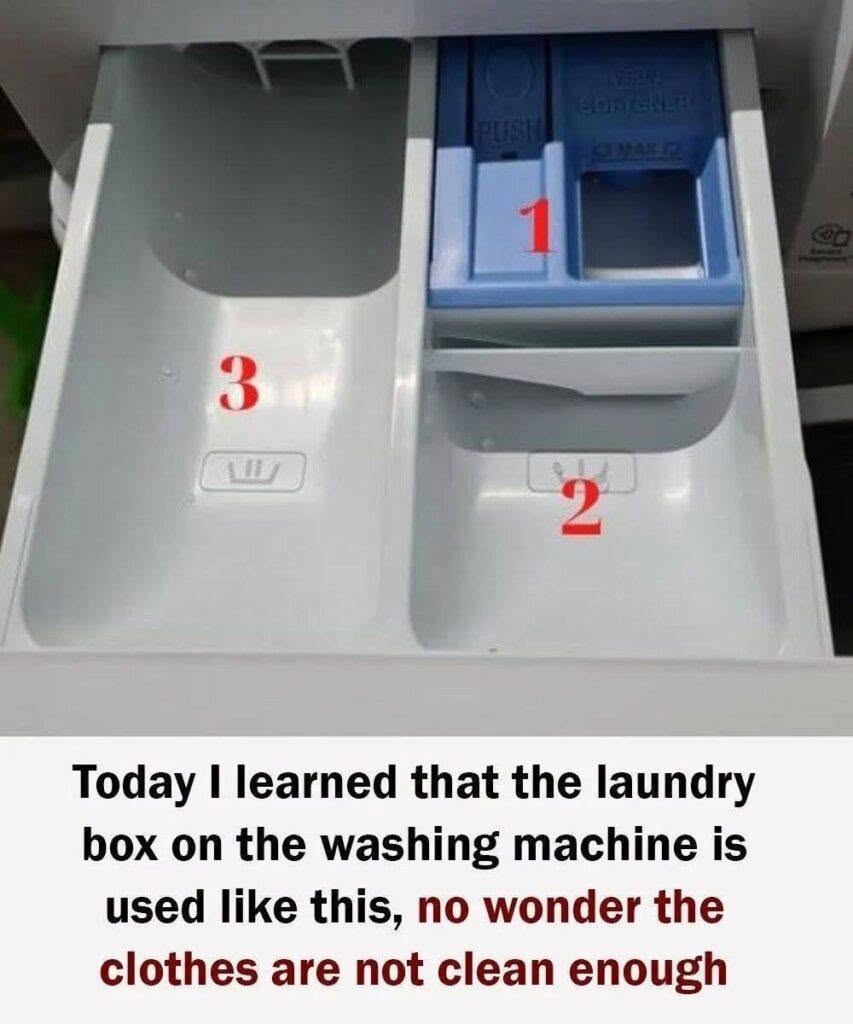
Many people use their washing machines several times a week and expect every load to come out clean, fresh, and ready to wear. But when clothes still smell unpleasant, detergent residue appears on fabrics, or the machine develops a musty odor, the problem may not be the detergent itself.
One often-overlooked cause is the washing machine’s detergent drawer.
This small compartment plays an important role in the washing process. It helps deliver detergent and fabric softener to the drum at the appropriate stage of the cycle. However, detergent residue, fabric softener, mineral deposits, and moisture can gradually build up inside the drawer and its surrounding housing.
The good news is that using the detergent drawer correctly and cleaning it regularly can help improve washing performance and keep your machine fresher.
Here is how to use each compartment, avoid common mistakes, and maintain your washing machine properly.
1. Understand What Each Detergent Drawer Compartment Does
Before adding detergent, take a moment to check the symbols inside your washing machine’s drawer. Although the layout varies by manufacturer, most machines have separate sections for the main wash, prewash, and fabric softener.
The Main Wash Compartment: Usually Marked “II”
The compartment marked with II is generally used for detergent during the main washing cycle.
This is where you normally add the detergent for everyday laundry, including T-shirts, towels, sheets, and other washable clothing.
You can usually use the main wash compartment with either powder or liquid detergent, provided your machine and detergent instructions allow it. Some models have a removable insert specifically designed for liquid detergent.
Important: Use the detergent type and amount recommended for your machine, the fabric, the load size, and the level of dirt. Adding extra detergent does not necessarily make clothes cleaner and may leave residue behind.
The Prewash Compartment: Usually Marked “I”
The compartment marked with I is typically intended for detergent used during a prewash cycle.
A prewash is an additional stage that can help loosen heavy soil before the main wash begins. It may be useful for particularly dirty work clothes, muddy garments, or heavily soiled washable fabrics.
You generally do not need to add detergent to this compartment for an ordinary wash unless you have selected a program that includes a prewash.
Adding detergent here without selecting a prewash may not provide the intended result.
The Fabric Softener Compartment: Usually Marked With a Flower Symbol
The fabric softener compartment is often identified by a flower symbol or another marking specified in the user manual.
The machine releases the softener during the appropriate rinse stage. This helps prevent it from being washed away too early in the cycle.
Never fill this compartment beyond its maximum line. Too much softener may cause residue to build up inside the drawer, and concentrated softener may need to be diluted according to the product instructions.
Do not pour detergent into the fabric softener compartment unless the manufacturer specifically instructs you to do so.
2. How to Add Detergent the Right Way
Using the correct compartment is only part of getting good washing results. The amount and type of detergent also matter.
Follow these simple steps before starting a load.
- Check the care labels. Make sure the garments can be washed using the selected temperature and program.
- Choose the correct detergent. Use a detergent suitable for your washing machine and the type of laundry.
- Measure the detergent. Follow the product label, taking the load size, soil level, and water hardness into account.
- Place it in the correct compartment. Use the main wash section for a normal cycle, and use the prewash section only when a prewash is selected.
- Add fabric softener if desired. Use the designated compartment and stay below the maximum-fill line.
- Close the drawer gently. Make sure it is properly seated before starting the machine.
Some washing machines have automatic detergent dispensers or recommend adding certain products directly to the drum. Always follow the instructions for your particular model.
3. Why the Detergent Drawer Gets Dirty
Even when you use your washing machine correctly, the detergent drawer can gradually become dirty.
Several factors contribute to this buildup.
Detergent Residue
Powder detergent may not dissolve completely under certain conditions, particularly when too much is used or the drawer’s water channels are obstructed.
Liquid detergent can also leave a sticky film when it accumulates over time.
Fabric Softener Buildup
Fabric softener is designed to leave a conditioning layer on fabrics. However, excess product can collect inside the drawer and form a thick, sticky deposit.
Hard Water and Mineral Deposits
Water containing higher levels of minerals can leave deposits on the drawer and its internal channels. These deposits may become more noticeable over time.
Moisture and Poor Ventilation
Water remaining in the drawer creates a damp environment. When the drawer stays closed and the machine is not allowed to dry, unpleasant odors and mold growth may develop.
Infrequent Cleaning
A drawer that is never removed or inspected may accumulate residue in places that are difficult to see, including underneath inserts and inside the housing.
4. How to Clean Your Washing Machine’s Detergent Drawer
Cleaning the detergent drawer is usually straightforward. The exact removal method depends on the model, so consult the user manual before pulling or dismantling any part.
Step 1: Turn Off the Washing Machine
Switch off the machine before cleaning. If you need to access electrical components or follow a more involved maintenance procedure, disconnect the power supply as directed by the manufacturer.
You do not need to open or dismantle any electrical parts to clean a normal removable detergent drawer.
Step 2: Remove the Drawer Carefully
Pull the drawer outward until it reaches its normal stopping point. Many models have a release tab or button that allows the drawer to slide out completely.
Press or lift the release mechanism according to the manual. Avoid forcing the drawer, as this may break plastic clips.
Step 3: Remove the Inserts
If the drawer contains a removable fabric softener insert or liquid detergent compartment, take it out if the manufacturer permits.
These small pieces often collect residue underneath, so cleaning them separately can make a difference.
Step 4: Wash With Warm Water
Rinse the drawer and its removable components with warm water.
Use a soft brush or old toothbrush to loosen detergent deposits from corners, narrow channels, and plastic inserts. A small amount of ordinary dishwashing liquid may help remove greasy or sticky residue.
Avoid abrasive pads that could scratch the plastic.
Step 5: Clean the Drawer Housing
Look inside the opening where the drawer sits. Residue may collect along the upper surface, sides, and water outlets.
Wipe accessible areas with a damp cloth and gently remove visible buildup with a soft brush.
Do not push objects deep into the water channels, and avoid spraying water directly into electrical areas or controls.
Step 6: Rinse and Dry
Rinse the drawer thoroughly to remove loosened residue and cleaning product.
Dry it with a clean cloth or allow it to air-dry. Check that all removable inserts are correctly positioned before putting the drawer back.
Step 7: Reinstall the Drawer
Slide the drawer back into its housing until it sits securely.
If the drawer does not fit easily, check whether an insert is incorrectly positioned. Never force it into place.
5. Common Detergent Drawer Mistakes to Avoid
A few small habits can make a difference in how well your washing machine performs.
Using too much detergent: More detergent does not automatically mean cleaner laundry. Excess product can leave residue on clothing and inside the machine.
Overfilling the softener compartment: Filling above the maximum line can cause premature dispensing or leave product behind.
Putting detergent in the wrong section: Detergent placed in the fabric softener compartment may be released at the wrong time in the cycle.
Ignoring the prewash symbol: The compartment marked I is generally for programs that include a prewash, not every regular load.
Leaving the drawer permanently wet: Moisture can contribute to odors and buildup. Follow your manual’s guidance on whether to leave the drawer open slightly between washes.
Forcing the drawer out: Release mechanisms vary. Pulling too hard can damage the drawer or housing.
Mixing cleaning chemicals: Never mix bleach with vinegar, ammonia, or other cleaning products. Dangerous fumes can result. Use one suitable cleaner at a time and follow its label.
6. How Much Detergent Should You Use?
There is no single detergent measurement that works for every washing machine and every load.
The correct amount depends on several factors:
- Load size: A full load may require more detergent than a small load, depending on the product instructions.
- Soil level: Heavily soiled clothes may need a different dose from lightly worn garments.
- Water hardness: Hard water can affect detergent performance.
- Detergent concentration: Concentrated products may require much smaller quantities.
- Machine type: High-efficiency machines generally require compatible low-sudsing detergent.
Follow the dosing instructions on the detergent packaging and your washing machine’s manual. If your clothes repeatedly feel soapy or the machine produces excessive suds, review your detergent amount and the manufacturer’s troubleshooting advice.
7. How to Prevent Bad Smells and Detergent Buildup
Regular maintenance can help keep the detergent drawer and the rest of the washing machine clean.
Clean the Drawer Regularly
Inspect the drawer every few weeks, especially if you frequently use liquid detergent or fabric softener. Clean it sooner if you notice sticky residue, discoloration, or a musty smell.
Allow the Machine to Dry
After a wash, remove damp laundry promptly. If the manufacturer recommends it, leave the detergent drawer and door slightly open to allow air circulation and reduce trapped moisture.
If you have children or pets, make sure the open machine remains safely inaccessible.
Use the Correct Detergent
Choose a detergent appropriate for your machine. High-efficiency washers may require low-sudsing detergent, while other machines may have different requirements.
Follow the Recommended Maintenance Cycle
 Continued on the next page
