
Follow the Recommended Maintenance Cycle
Many washing machines include a drum-cleaning or maintenance program. Run it according to the manual and use only products approved for that purpose.
A drum-cleaning cycle is not a substitute for manually cleaning a dirty detergent drawer.
Check for Blockages
If water remains in the drawer after a cycle or detergent is not being flushed into the drum properly, inspect the drawer and accessible channels for residue. Persistent problems may require professional servicing.
8. What If Detergent Remains in the Drawer After Washing?
A small amount of moisture in a detergent drawer can be normal. However, a substantial amount of undissolved detergent or standing water may indicate a problem.
Possible causes include:
- Excessive detergent or an unsuitable detergent type.
- A drawer that is clogged with residue.
- Blocked or restricted water outlets.
- Low water pressure or a water-supply problem.
- An incorrectly fitted drawer or insert.
- A fault that requires professional attention.
Start by removing and cleaning the drawer according to the manual. Check that the water supply is working normally and that the drawer is correctly installed.
If the problem continues after cleaning, consult the troubleshooting section of your machine’s manual or contact a qualified technician.
9. Frequently Asked Questions
Should I put detergent directly into the drum or in the drawer?
This depends on your machine and detergent. Many conventional machines are designed for detergent to be added to the main wash drawer. Some products and machine models allow or recommend direct drum placement using a suitable dosing device. Follow both sets of instructions.
Can I use liquid detergent in the detergent drawer?
Many machines allow liquid detergent in the main wash compartment, sometimes with a special insert. Other models have specific instructions about where liquid detergent should be placed. Check your manual before using it.
Why does my detergent drawer smell bad?
A musty smell may result from trapped moisture, detergent residue, fabric softener buildup, or mold growth. Remove and clean the drawer, wipe accessible parts of the housing, and allow the machine to dry between washes as recommended by the manufacturer.
How often should I clean the detergent drawer?
Inspect it every few weeks and clean it whenever residue begins to accumulate. The ideal schedule depends on how frequently you wash clothes, the products you use, and your water conditions.
Can vinegar be used to clean the drawer?
Check the manufacturer’s instructions before using vinegar. Some manufacturers advise against it because repeated use may damage certain components. Warm water and a mild detergent are often sufficient for routine cleaning.
Why is fabric softener still in the drawer after a wash?
The softener may be too thick, the compartment may be overfilled, or the siphon insert may be dirty or incorrectly fitted. Clean the insert and follow the product’s dilution instructions where applicable.
Conclusion
Your washing machine’s detergent drawer may be small, but using it correctly can help your laundry routine run more smoothly.
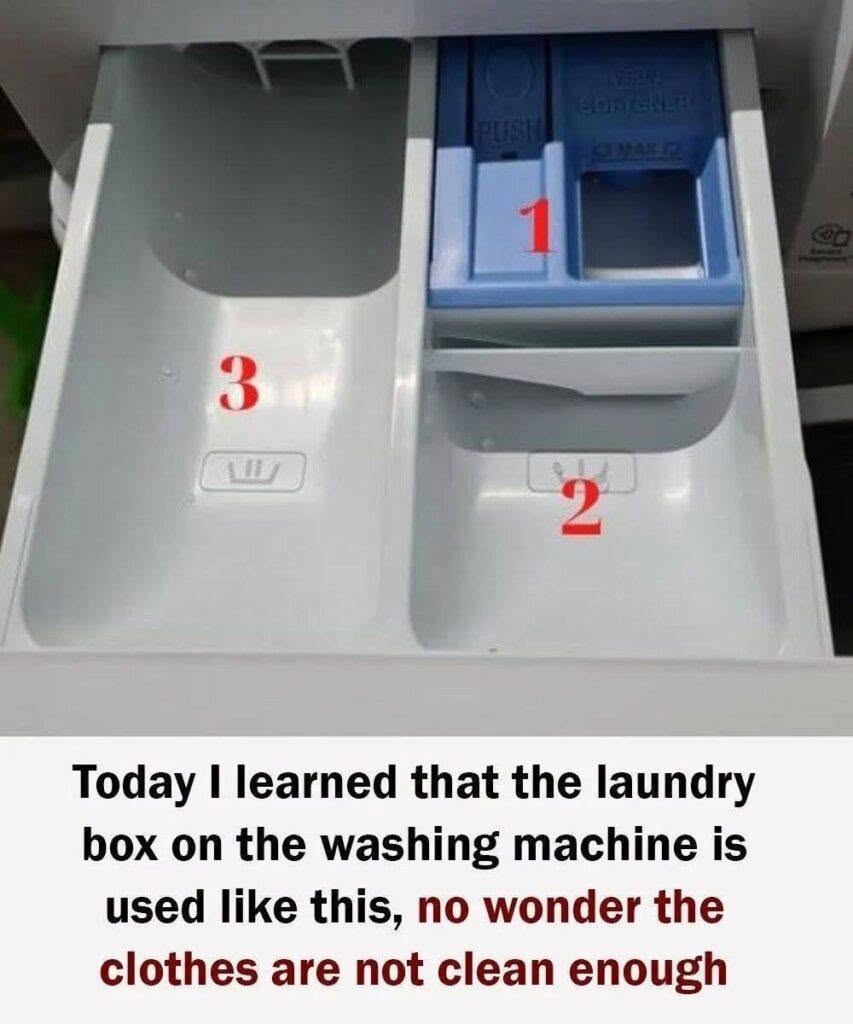
The main wash compartment is generally marked II, the prewash compartment I, and the fabric softener section is often identified by a flower symbol. Learning these markings helps ensure that each product is released at the appropriate stage of the wash.
Just as importantly, regular drawer cleaning, correct detergent dosing, and allowing the machine to dry can help reduce residue and unpleasant odors.
The next time you do laundry, take a moment to check the drawer. A simple cleaning routine and a few small changes can help keep your washing machine in better condition for longer.
Remember: Compartment markings and cleaning instructions can vary by model, so your washing machine’s user manual should always be your final guide.
